Writer’s Note: This should have been posted months ago, but instead it sat 85% finished in my drafts folder, quietly collecting dust and wondering if it had been abandoned. I had every intention of finishing it sooner, but apparently my commitment to being The Inconsistent Writer remains undefeated.
It wasn’t until right now that I realized I needed to get this thing published before anyone started asking where my JONESing series was. And if luck (and my attention span) cooperate, that should start rolling out sometime in mid-July.
Until then, enjoy.
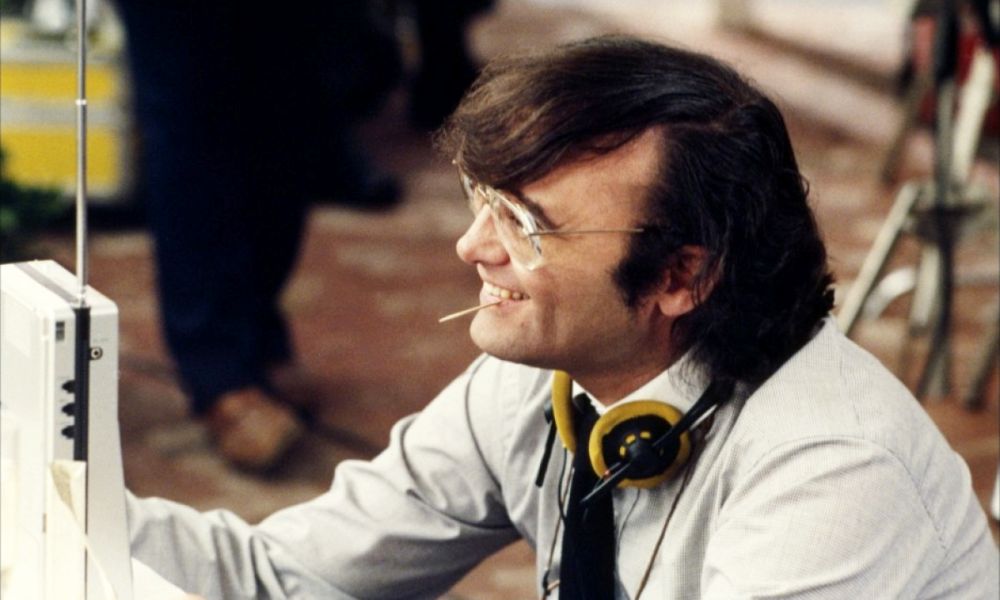
Joe Dante has spent much of his career fighting to protect his distinct filmmaking voice—a mix of irreverent humor, genre homage, and a Looney Tunes sensibility that runs through everything from horror to family comedies. A passionate cinephile, he’s just as enthusiastic about prestige cinema as he is low-budget B-movie oddities. While his creative spark has never faded, the large gaps in his filmography tell the story of unrealized projects—films lost to studio politics, shifting trends, and creative disagreements.
Much like Steven Spielberg, I was familiar with most of Joe Dante’s work long before I ever knew his name. For a good stretch of the 1980s, his movies practically defined my movie-watching experience. But by the time the late 1990s rolled around, that era had come to a swift end.
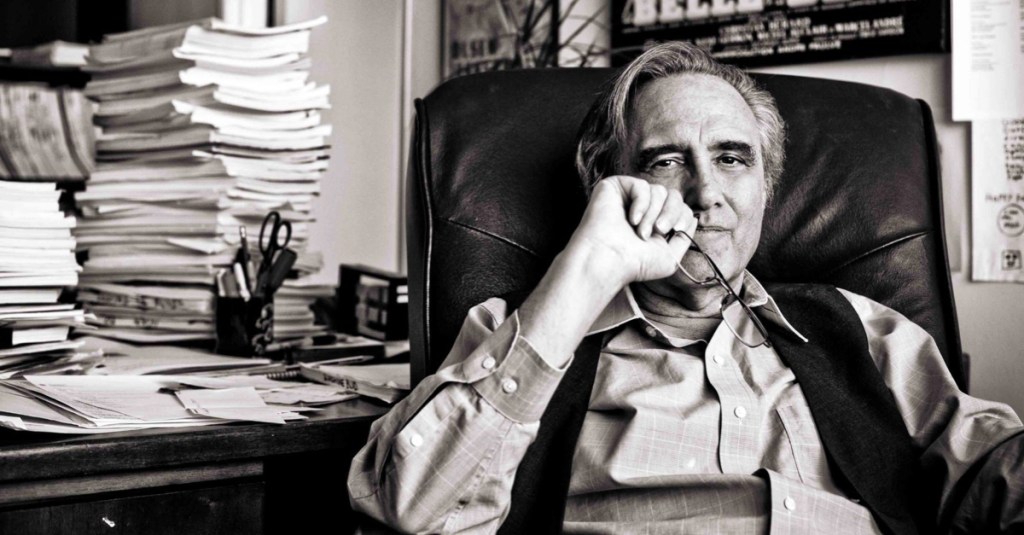
Born in Morristown, New Jersey, in 1946, Dante grew up obsessed with cartoons, monster movies, and old-school sci-fi—the very DNA that would later shape his films. He originally wanted to be a cartoonist, but eventually shifted his focus to filmmaking after studying at the Philadelphia College of Art.
His big break came under legendary B-movie producer Roger Corman, where he cut trailers and learned how to stretch tiny budgets into maximum entertainment. That apprenticeship led to his first directing credit on Hollywood Boulevard in 1976, a scrappy, self-aware spoof co-directed with Allan Arkush. From there came his first solo feature, Piranha (1978), a low-budget horror-comedy that put him on the map and immediately showed off his gift for blending scares, humor, and a deep love for genre filmmaking.
DIRECTOR’S TRADEMARKS
JOE DANTE’S “STOCK COMPANY”
If you’re enough of a film geek to have spent any real time with Joe Dante’s movies, you probably know exactly what I’m talking about here. If that doesn’t ring a bell, don’t worry—Brandon from Florida didn’t get it either. Dante himself doesn’t necessarily call them his “stock company,” but it’s a term fans and critics have come to use over the years—and honestly, it fits.
In a 2009 Notebook interview with MUBI, Dante pointed to filmmakers like John Ford and Preston Sturges, both of whom regularly worked with the same actors simply because they liked them. Dante explained it best: “You form a shorthand … you’ve done it so many times that they know what you want, you know what they want, and so when you make a movie, if you can find a place for them, you put them in it.” He also added that many of them are true character actors—able to carry major roles in one film and pop in for a small part in the next—which, to him, is the real craft of acting.
So while Dante may not use the term himself, I will, because it’s the easiest way to define one of his clearest trademarks. Over the years, a handful of actors became recurring fixtures in his films, but these six probably stand out the most:
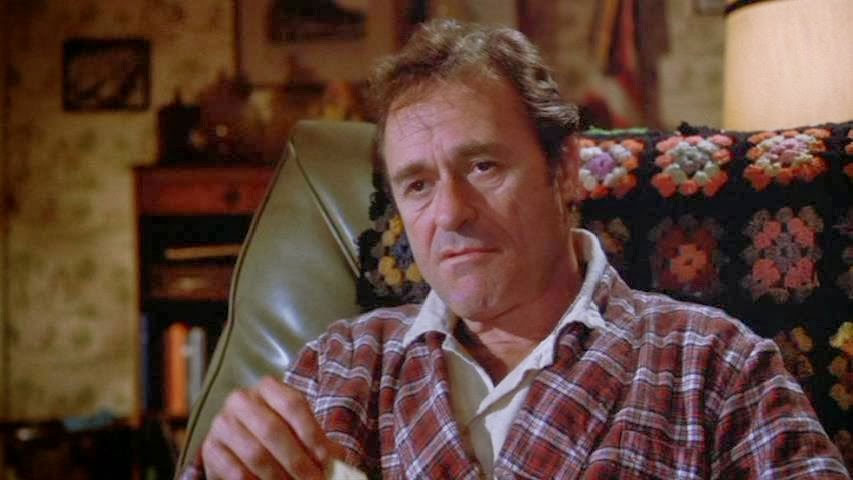
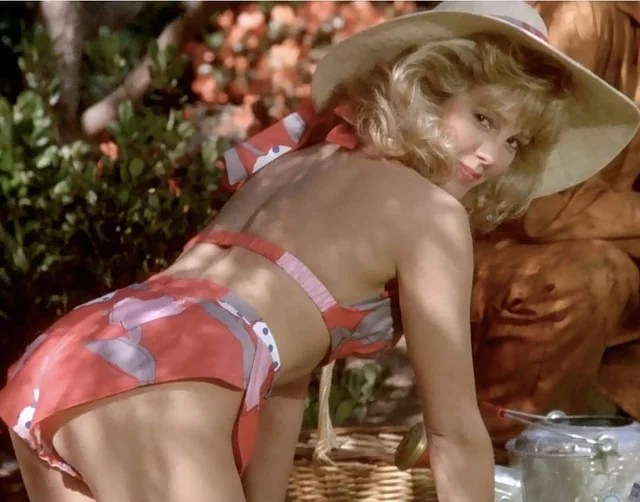
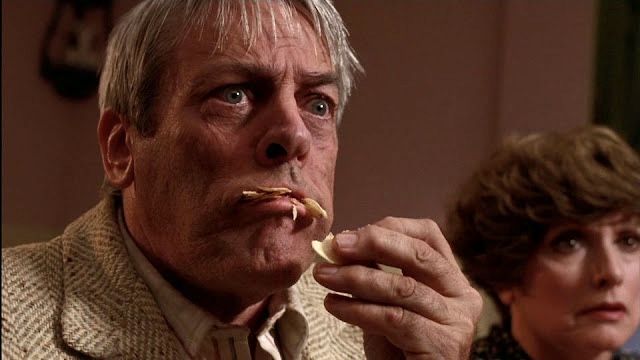
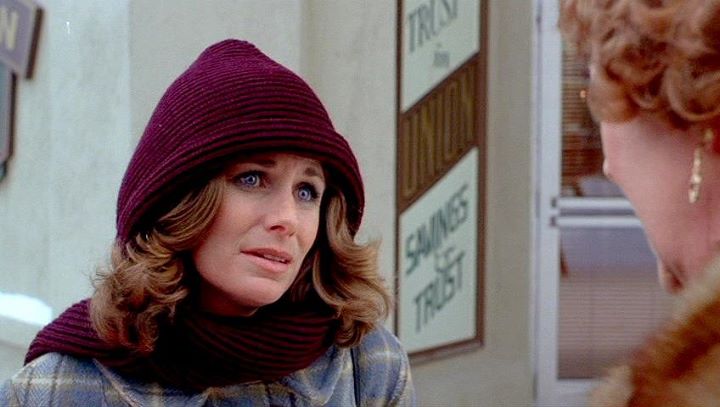
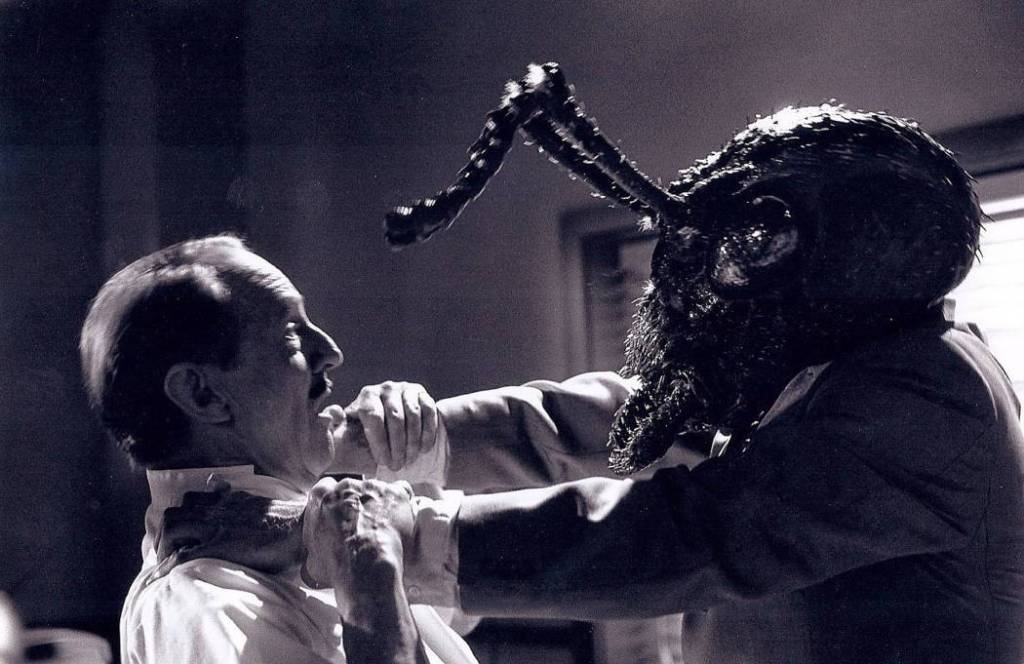
- Dick Miller appeared in nearly every Joe Dante film until his death in 2019. Dante often referred to Miller as his good luck charm.
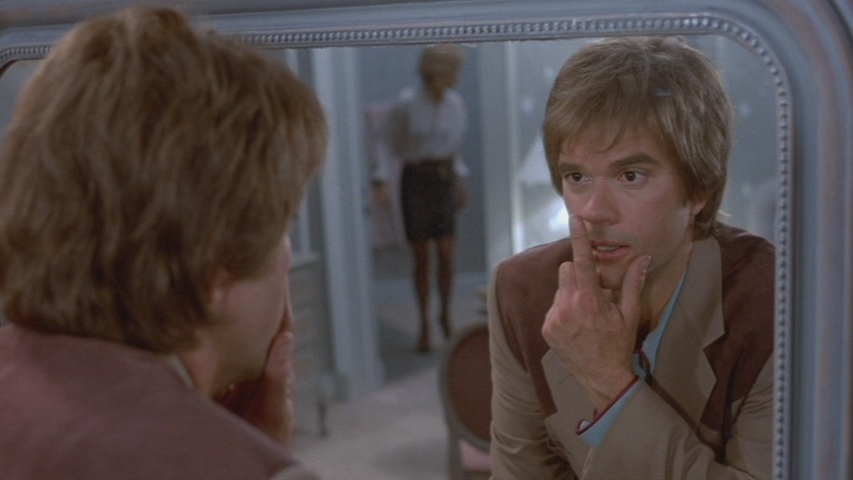
- Robert Picardo started with The Howling (as the werewolf Eddie Quist) and went on to appear in Innerspace, Gremlins 2, Looney Tunes: Back in Action, and more.
- Wendy Schaal appeared in Innerspace, The ‘Burbs, and Small Soldiers
- Kevin McCarthy appeared in Piranha, Innerspace, Twilight Zone: The Movie, Matinee, and Looney Tunes: Back in Action.
- Belinda Balaski appeared in The Howling, Gremlins, Piranha, and others.
- William Schallert appeared in Innerspace, Twilight Zone: The Movie, and Matinee
There are certainly more than just these six, but if you’ve spent any time in Dante’s filmography, these are probably the faces you remember first.
COMPOSER JERRY GOLDSMITH
Jerry Goldsmith was one of Joe Dante’s most trusted collaborators, beginning with Gremlins in 1984. Over a career spanning more than five decades, Goldsmith scored nearly 200 films and composed music for a wide range of iconic television shows. His ability to shift effortlessly between sweeping orchestration, menace, and playful whimsy made him the perfect musical counterpart to Dante’s unique blend of horror, sci-fi, and comedy. Much like Dante’s films themselves, Goldsmith’s scores could be chaotic, heartfelt, funny, and unsettling—sometimes all in the same scene.
LOONEY TUNES
Looney Tunes had a massive influence on Joe Dante—stylistically, tonally, and even philosophically. He’s spoken often about his love for the classic Warner Bros. cartoons, and their anarchic spirit, sharp wit, and visual inventiveness have shaped the way he makes movies ever since. You can see that influence everywhere: cartoon logic brought into live action (Gremlins, Explorers, Gremlins 2: The New Batch), fast-paced and self-aware humor (The ’Burbs, Innerspace), controlled chaos (The ’Burbs, Small Soldiers), his recurring stock company of actors, and an irreverence toward authority (Gremlins, The ’Burbs, Looney Tunes: Back in Action).
Joe Dante doesn’t just admire Looney Tunes—he channels it. It’s woven into the DNA of his films, giving them that unpredictable energy where anything can happen, and usually does.
THE ESSENTIAL FIVE
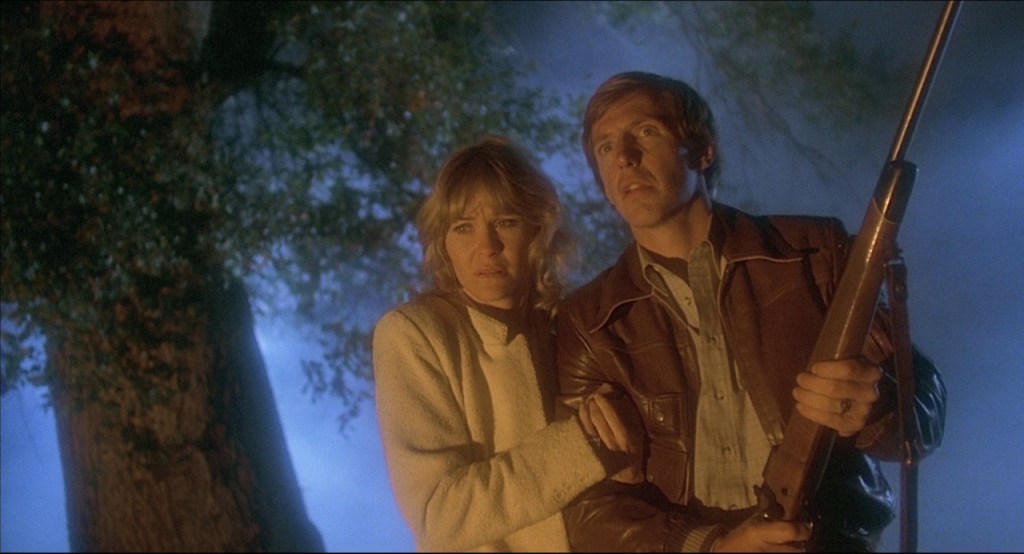
THE HOWLING
“We get ’em all: sun-worshippers, moon-worshippers, Satanists. The Manson family used to hang around and shoplift. Bunch of deadbeats!”
In The Howling (1981), a television news anchor retreats to a secluded California commune to recover from a traumatic experience, only to discover that the residents are werewolves with a dark agenda.
Though The Howling was Joe Dante’s third feature film, it marked a major turning point in his career. Up to that point, he was still viewed as a promising B-movie director, having cut his teeth under Roger Corman on shoestring-budget pictures like Hollywood Boulevard and Piranha. The Howling, while still modestly budgeted, was his first real studio-backed production—released through the independently financed Avco Embassy Pictures—and it gave Dante the opportunity to stretch his creative muscles on a larger canvas.
Released during what became known as the “Year of the Werewolf” (1981 also brought An American Werewolf in London, Wolfen, and Full Moon High), The Howling distinguished itself through originality and a slyly subversive tone. Dante infused the story with satire, blending traditional horror with unexpected humor, media commentary, and an atmosphere that feels genuinely unsettling. Rather than simply delivering creature-feature thrills, the film constantly toys with audience expectations, balancing slow-burn tension with sudden jolts and building toward a twist ending that is equal parts shocking and darkly funny. And while Rick Baker’s work on An American Werewolf in London often gets most of the attention, Rob Bottin’s groundbreaking practical effects here are just as crucial to the film’s legacy. Together with Dante’s confident direction, they helped elevate The Howling above standard genre fare, cementing his reputation as a filmmaker who could blend scares, wit, and style into one vicious bite.
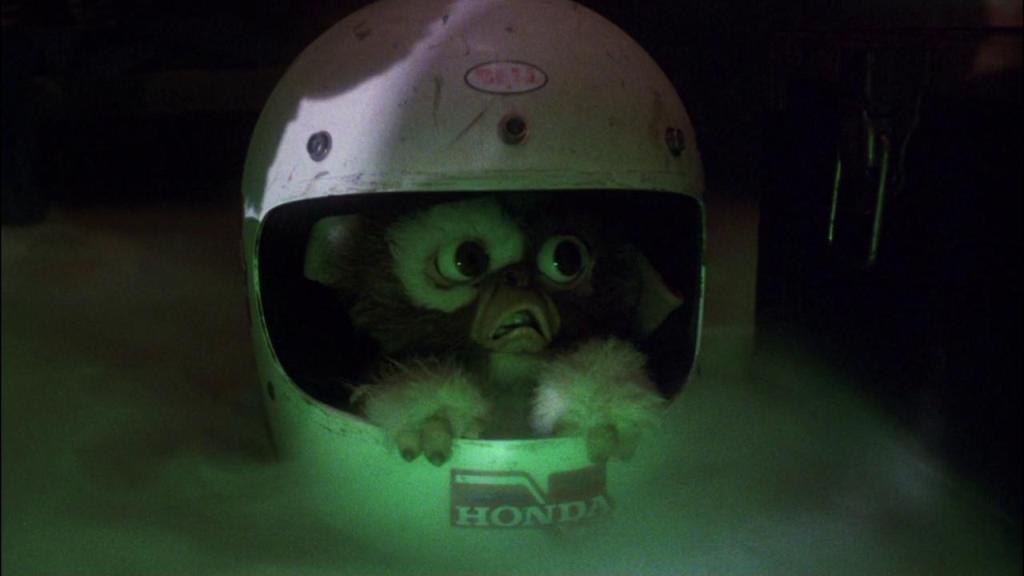
GREMLINS
“First of all, keep him out of the light, he hates bright light, especially sunlight, it’ll kill him. Second, don’t give him any water, not even to drink. But the most important rule, the rule you can never forget, no matter how much he cries, no matter how much he begs, never feed him after midnight.”
In Gremlins (1984), a young man inadvertently unleashes a horde of mischievous and malevolent creatures on his town during Christmas after failing to follow the essential care rules for his new pet, a cute but quirky Mogwai named Gizmo.
Gremlins is a brilliantly paced slice of mischievous holiday mayhem. At just under two hours, it moves briskly, rarely dragging, with nearly every scene serving a purpose in building tension, character, or both. Joe Dante expertly handles the reveal of the titular creatures, showing clear influence from Spielberg’s Jaws—a fitting connection, considering Spielberg served as executive producer. The gremlins are used sparingly at first, teasing their presence and building anticipation, before Dante unleashes them in full force with the hilariously chaotic bar sequence and the climactic theater showdown, both perfect examples of the film’s escalating madness.
What makes Gremlins so memorable is how effortlessly it walks the tightrope between horror and comedy. It’s dark, twisted, and genuinely unsettling at times, yet never loses its gleefully anarchic spirit. Dante’s gift for balancing tones—creepy one moment, absurdly funny the next—gives the film its distinct personality and taps into that imaginative, offbeat energy that made so many 1980s blockbusters feel special. The practical effects and puppetry are a huge part of that magic. The Gremlins feel tactile, expressive, and alive in a way that CGI still struggles to replicate, adding even more personality to their chaos.
And then there’s Jerry Goldsmith’s unforgettable score, which feels like an additional character in the film itself. It shifts effortlessly between menace and whimsy, with Gizmo’s theme bringing warmth and innocence, while the Gremlins’ theme scratches and screeches like a pissed-off alley cat—perfectly matching their manic energy. It may be a little too sinister for late-night Christmas Eve viewing, but it’s become a yearly tradition for me in early December—a reminder of just how wild, weird, and wonderful ’80s movies could be.
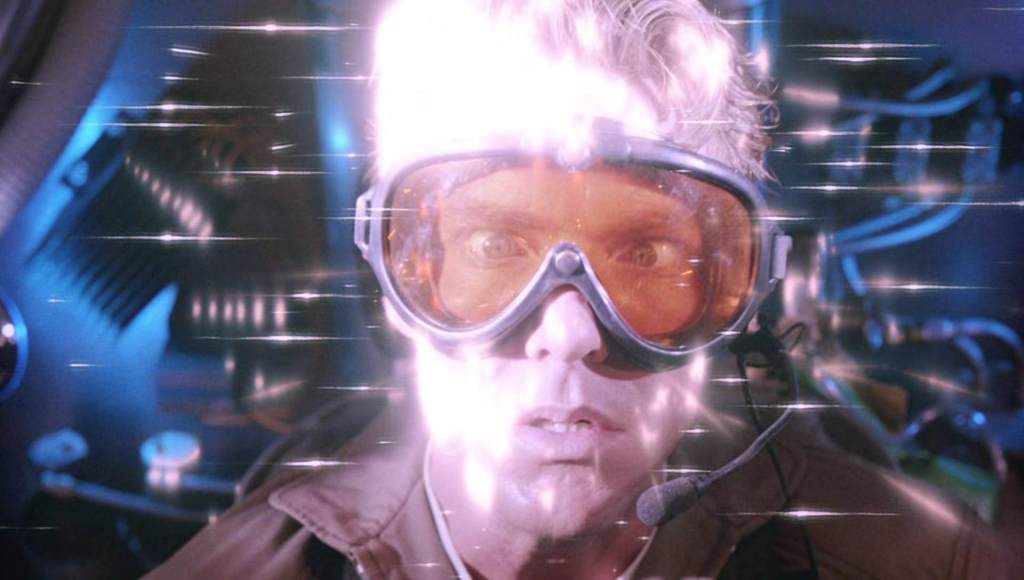
INNERSPACE
“We’re gonna drink this one to Ozzie. A good man who tried to save my ass by injecting me into yours.”
Innerspace (1987) is a sci-fi comedy adventure where a test pilot is miniaturized and injected into the body of a timid grocery store clerk, leading to a wild and chaotic journey through the human anatomy as they evade enemy agents.
Innerspace is one of those rare sci-fi comedies that, for me, absolutely nails its tone, casting, and pacing—and it’s no surprise it remains my second favorite Joe Dante film behind The ’Burbs. The cast is perfect from top to bottom, with Dennis Quaid bringing just the right mix of roguish charm and likability to a role that mostly requires him to sit in one spot. It’s like taking Maverick from Top Gun, dialing up the rugged good looks, and adding 50% more charisma. On the other end of that spectrum is Martin Short, the ideal counterbalance, delivering a wonderfully neurotic and physical performance that plays perfectly against Quaid’s cool confidence.
What makes Innerspace work so well is how grounded it stays despite its outlandish premise. The internal sequences—Tuck navigating the inner workings of Jack’s body—are imaginative and visually impressive, especially for a pre-CGI film, but Dante never lets the effects overshadow the story. The science fiction is just fantastical enough to feel exciting and believable, while the bulk of the adventure still takes place in the real world, keeping the film anchored. That balance of sci-fi, comedy, action, and adventure makes it one of Dante’s most complete films. It may not have been a box office smash at the time, but its cult reputation feels more than earned—a perfect example of Dante blending humor, heart, and genre weirdness into something endlessly rewatchable.
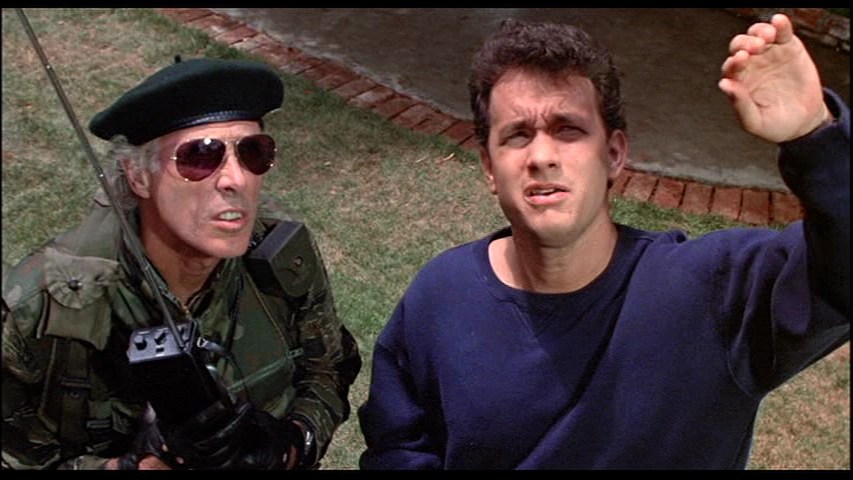
THE ‘BURBS
“Ray, there’s no doubt anymore. This is real. Your neighbors are murdering people. They’re chopping them up. They’re burying them in their backyard.”
In The ‘Burbs (1989), a suburban man becomes increasingly suspicious of his reclusive new neighbors, leading him and his friends down a rabbit hole of wild theories and comedic chaos as they investigate their strange behaviors.
The ’Burbs has always been one of my favorite Tom Hanks films—comedy or otherwise. Hanks is pitch-perfect as Ray Peterson, the ultimate suburban everyman pushed to his limits by his nosy neighbors—especially the overbearing Art—and his wife Carol, played with effortless charm by Carrie Fisher. Unlike Art, Ray isn’t just meddling for the sake of meddling; his genuine concern over the disappearance of their neighbor Walter makes his performance both hilarious and surprisingly sincere. That sincerity is what keeps the film grounded, elevating it beyond simple farce and making Ray such a relatable character.
Part of what makes The ’Burbs so great is how deeply it taps into the weird reality of suburban life. Anyone who’s ever lived in a neighborhood knows “that” house—the one with the overgrown lawn, the family you never see, or the angry old man yelling at kids to stay off his lawn. Dante understands the paranoia, gossip, and endless assumptions that come with that kind of close-quarters living and turns it into comedy gold. I’ve even been on the other side of that judgment—my cousin and I once lived together and probably looked like the neighborhood weirdos ourselves—which only makes the film hit that much closer to home.
But what I love most is how Ray, Art, and Rumsfield are basically just oversized children. Their spying, scheming, and wild conclusions feel less like adult behavior and more like eleven-year-old kids playing make-believe and refusing to come inside for dinner. Even Ray’s breakdown plays like a child mentally shutting down after a nightmare, with Carol acting less like a wife and more like a mother keeping him grounded. That’s what makes The ’Burbs so brilliant: beneath all the chaos and comedy, it’s poking fun at the thin layer of “normalcy” suburban life tries to maintain. Because underneath those trimmed hedges and tidy lawns, everybody’s a little weird. And after watching The ’Burbs, you may never look at your neighbors the same way again.
MATINEE
“What a perfect time to open a new horror movie. Think of it, my friend. Millions of people looking over their shoulder, waiting for God’s other shoe to drop, never knowing if each kiss, each sunset… each malted milk ball might be their last.”
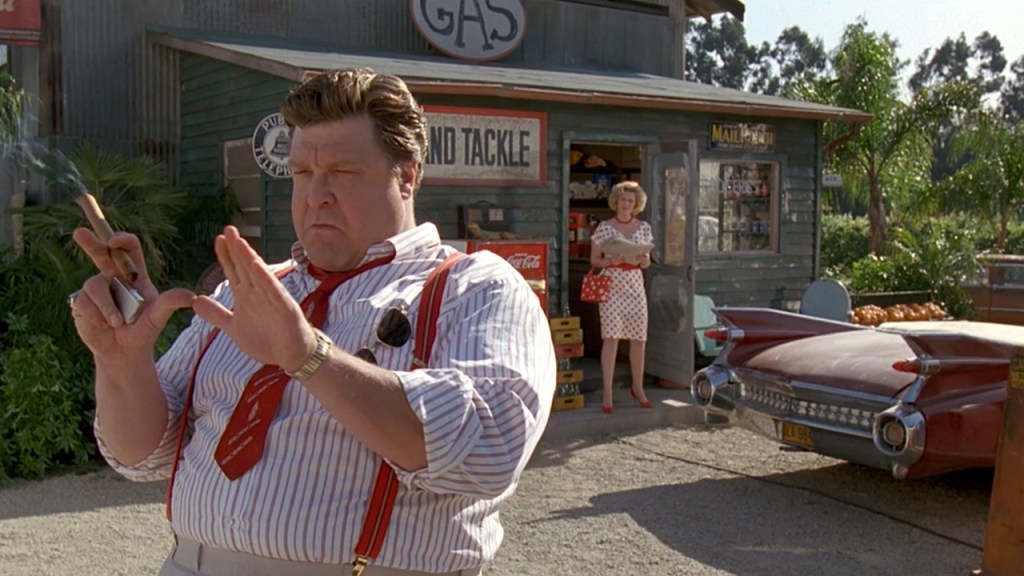
In Matinee (1993), a group of young moviegoers in 1962 experiences a blend of excitement and fear when a quirky filmmaker brings his new monster movie to a small town, reflecting both the innocence of youth and the anxieties of the Cold War era.
Matinee is one of Joe Dante’s most personal films—a nostalgic love letter to creature features, moviegoing, and Cold War paranoia, all wrapped inside a heartfelt comedy. John Goodman steals the show as Lawrence Woolsey, a shameless but warmhearted movie promoter who brings his latest monster flick, MANT!, to Key West, Florida, right in the middle of the Cuban Missile Crisis. Surrounded by Dante’s familiar stock company—including Dick Miller, John Sayles, and Robert Picardo—Goodman anchors the film with the perfect blend of charm, showmanship, and sincerity, embodying Dante’s own reverence for the magic of the theater.
The film’s first act drags a bit, and the young leads playing Gene and Stan feel less like compelling protagonists and more like sitcom kids who wandered into the wrong movie. But once Woolsey arrives and his bond with Gene takes center stage, Matinee really finds its footing. From there, Dante beautifully captures the early ’60s through a mix of humor, sweetness, and lingering Cold War anxiety, filtering it all through his own childhood obsession with monster movies and awkward adolescent rites of passage. It can get a little saccharine at times, but its charm, heart, and affectionate love for cinema make it easy to forgive. It’s the kind of movie you stumble across on a lazy Sunday afternoon and end up watching all the way through—which, in my case, is exactly how I found it.
THE 6TH PICK
Honorable Mention
EXPLORERS
“It’s asking for coordinates on x-, y- and z-axes to locate a point in space relative to its terminal. How did you dream this?”
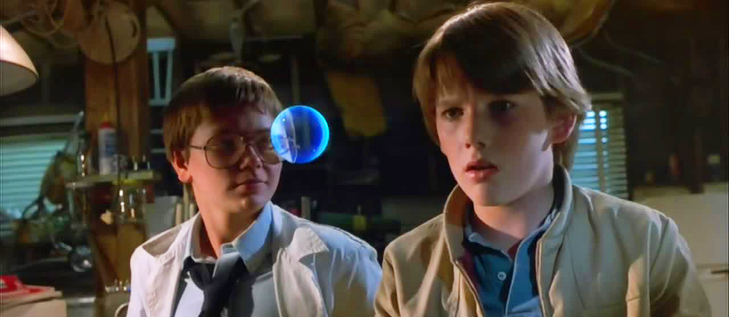
In Explorers (1985), three young friends construct a spacecraft using their dreams and imagination, embarking on an intergalactic adventure that takes them beyond the stars and into the unknown.
Choosing where to place Explorers on this list—and whether it even belonged as an honorable mention—was easily the hardest decision I had to make. I hold this film on a deeply personal level, in a way that’s very different from most of Joe Dante’s other work. It’s not a great movie—not completely, anyway. More accurately, it’s two-thirds of a great movie with a third act that never quite comes together. But separating it from my own childhood is impossible. I saw it in theaters at nine years old, just after my family had moved to a new city where I didn’t know anybody yet. The one neighborhood friend I did have lived across the street, and his mom took us to see Explorers. Every time I revisit it, I’m immediately transported back to that summer of 1985—the smell of popcorn, the hum of the air conditioning, and that strange comfort movies can provide when everything around you still feels unfamiliar.
Explorers is probably the clearest example of studio interference derailing what could have been something special. Paramount rushed the film into production before the third act was even finished, then pushed Dante to release it before it was ready. The result was a messy, uneven film that critics didn’t quite know what to make of, and audiences mostly overlooked. It didn’t help that it opened during the same cultural whirlwind as Live Aid and just a week after Back to the Future, which quickly became the defining sci-fi adventure of 1985. Honestly, it’s a small miracle Explorers was seen by anyone at all.
Thankfully, time has been kind to the film. It’s earned a loyal cult following over the years, and for good reason. Dante himself has admitted that while he’s grateful fans love it, it’s difficult for him to revisit because what audiences embraced was essentially the rough cut, not the finished film he had in mind. Even so, Explorers remains an imaginative, family-friendly gem, featuring three terrific young leads—including the feature film debuts of Ethan Hawke and River Phoenix. More than anything, it captures the reckless wonder of childhood: building impossible machines out of junkyard scraps (or, in my case, refrigerator boxes), dreaming of adventure, and chasing the unknown without ever stopping to think about what it might cost to come back home. It’s funny, sweet, charming, and full of heart—a flawed but beautiful reminder of how powerful imagination can be, even when the story itself doesn’t quite stick the landing.
Normally, this is where I’d break down examples of a director’s trademarks, but with Joe Dante, that almost feels redundant. His style is so distinct it’s practically impossible to miss: the seamless blend of humor and horror, his familiar stock company of actors, Jerry Goldsmith’s playful scores, the Looney Tunes-inspired chaos, and his deep affection for B-movie absurdity. So instead of rehashing what’s already obvious, I’ll skip ahead to the fun part—some of Dante’s best scenes that show just how brilliant he can be when given the freedom to run wild.
And, if I’m being honest, I have a bad habit of getting lost in the weeds with these posts—adding too much, overthinking too much, and delaying their already sporadic release—so this is also me trying to stay on track.
KEY SCENES
THE BAR SCENE
The bar scene in Gremlins might be the single best example of Joe Dante’s ability to control pure Looney Tunes chaos at its absolute peak (with the theater scene—watching Snow White and the Seven Dwarfs—coming in at a very close second). By this point, Spike has launched himself into a swimming pool, multiplying the gremlins into an army of mischievous little monsters now wreaking havoc across Kingston Falls. But nowhere is Dante’s anarchic sensibility more on display than inside the local bar, where the gremlins drink, smoke, gamble, flirt, and generally behave like a live-action Warner Bros. cartoon gone completely off the rails. It’s absurd, hilarious, and just a little unsettling—basically everything that makes Gremlins work. And for me, it’s still the best scene in the entire movie.
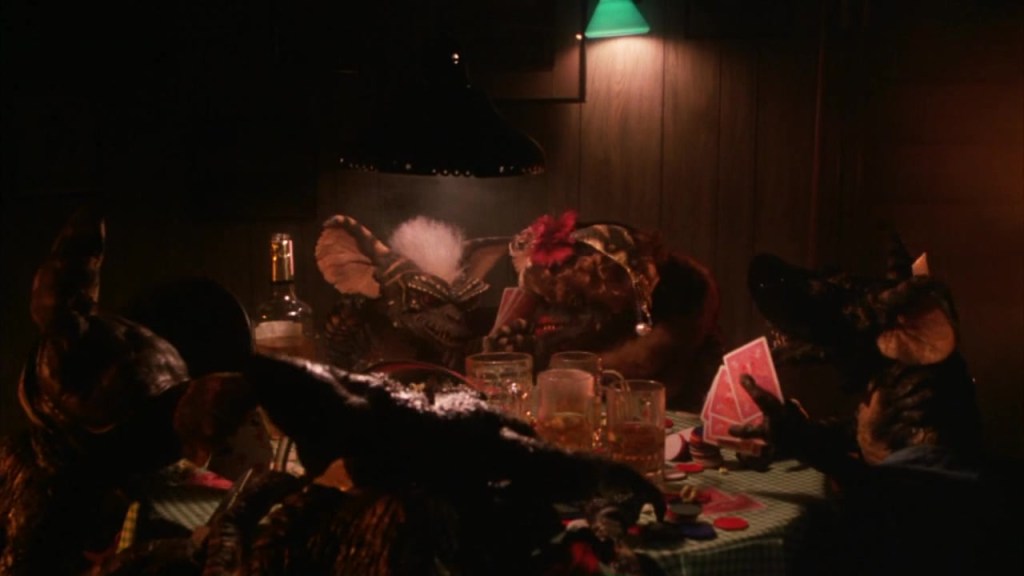
I wanted to include the scene below, but the publisher won’t allow it. To watch it, please click HERE.
CAN RAY COME OUT AND PLAY?
Ray suffers a full-on mental collapse after a long night of nightmares fueled by his overactive imagination, Art’s paranoid talk of satanic neighbors (“Ray, you’re chanting! Hey, once they get in here… it’s over, pal”), and one too many late-night horror movies on television. By morning, he’s completely shut down—emotionally fried and in no shape to deal with the chaos outside. When Art and Rumsfield show up to check on him, Carol immediately shuts them down, scolding them with the authority of an exhausted parent rather than a wife.
It’s one of the funniest scenes in The ’Burbs because it perfectly captures what makes these characters work: Ray, Art, and Rumsfield aren’t really adults—they’re neighborhood kids trapped in grown men’s bodies, desperate to keep playing make-believe while Carol is stuck being the responsible one. I’ve got plenty of favorite moments in this movie, but this one has always been at the top of the list.
THUNDER ROAD
After sharing the same strange dream and vision, the three young protagonists in Explorers set out to build the spacecraft that will carry them into outer space in hopes of making contact with alien life. The “Thunder Road” sequence—watching them piece together their ship from scraps, junk, and pure imagination—is Joe Dante at his most childlike and sincere. It taps directly into that universal feeling of being a kid and believing you could build something impossible if you just had enough time, parts, and nerve.
This scene always takes me right back to my own childhood—building forts out in the greenway near my neighborhood or adding onto whatever makeshift hideout I already had in the backyard, convinced I was creating something extraordinary. It never looked as good as what these kids built, of course, but then again, I didn’t exactly have a Hollywood effects crew helping me put my spaceship together either.
FURTHER VIEWING
A Cultivated Selection
PERFECTLY PAIRED WITH POPCORN
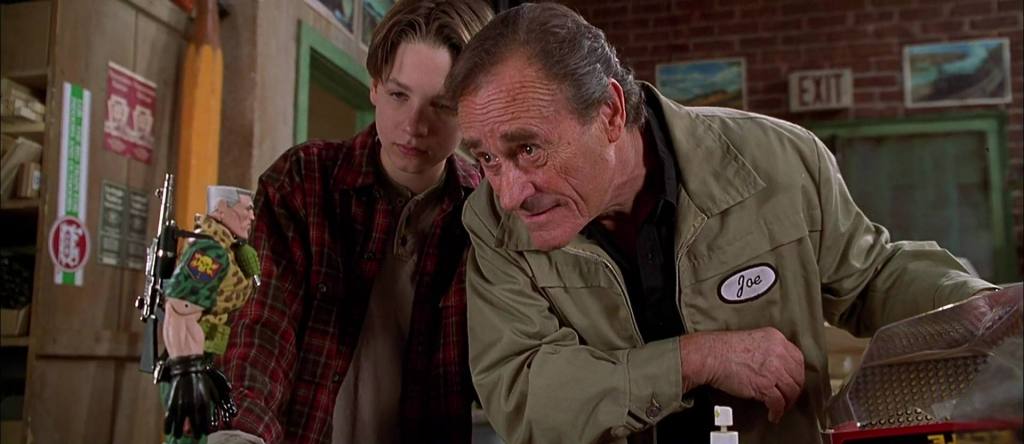
In Small Soldiers (1998), a group of military-themed action figures comes to life and wreaks havoc in a suburban neighborhood when a toy company unknowingly equips them with real military technology, leading to a chaotic battle between the toys and a bunch of kids trying to stop them.
It’s probably been a good twenty-five years—maybe more—since I last watched Small Soldiers. As far as I can remember, it’s the last Joe Dante movie that truly felt like a Joe Dante movie, with his fingerprints all over it: the controlled Looney Tunes chaos, the sharp humor, and that familiar sense of mayhem always threatening to spill over. In a lot of ways, it’s probably the closest in tone to Gremlins, even if the horror elements barely register this time around.
It’s definitely more family-oriented than much of Dante’s earlier work, but from what I remember, it still hits most of its marks and even found moderate success at the box office. And considering Dante’s filmography—even among the movies I’ve highlighted above—has often been more hit-or-miss than consistently great, this one lands much closer to the “hit” side of the ledger. Of course, memory can be a funny thing. If I revisited it now, the effects might look rougher and the whole thing might be cornier than I remember—but for now, nostalgia keeps insisting it holds up just fine.
GUILTY PLEASURE
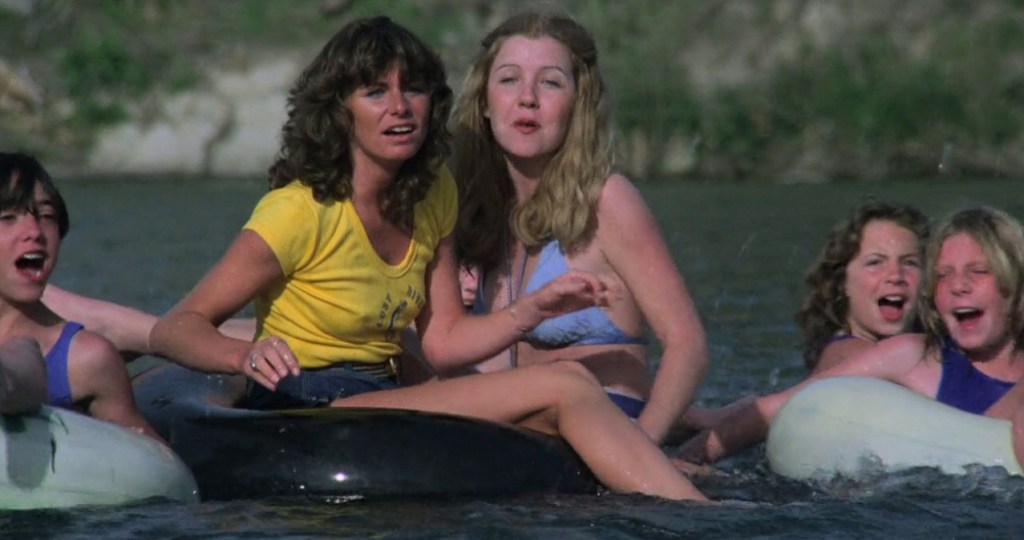
In Piranha (1978), a group of unsuspecting campers at a summer resort faces terror when a secret government project accidentally unleashes a swarm of deadly, genetically engineered piranhas into the waters, leading to a gruesome feeding frenzy.
Piranha is one of those late-night movies I usually throw on when I’ve had one too many beers and I’m not quite ready to call it a night. It’s terrible on so many levels, but in that magical way where it circles back around to being pretty entertaining. This was Roger Corman doing what Roger Corman did best—handing Joe Dante the reins to his first feature and letting him crank out a fast, efficient program picture that squeezes every last drop out of its budget.
As a whole, it’s probably the best of the many B-movie knockoffs that tried to cash in on the country’s obsession with Jaws—and even Steven Spielberg himself famously called it “the best of the Jaws ripoffs.” I don’t revisit it all that often, but it made enough of an impression that I tracked down the Shout! Factory Blu-ray steelbook on eBay and added it to the shelf, so that probably says something.
Then again, I also went out of my way to track down a DVD copy of Hollywood Boulevard, watched it once, and almost immediately regretted the purchase. Is it still sitting on the shelf in my collection? Absolutely. Will I ever watch it again? Unless it’s for the audio commentary… [Shakes Magic 8 Ball violently.] Signs point to no.
Until next time.


Leave a Reply