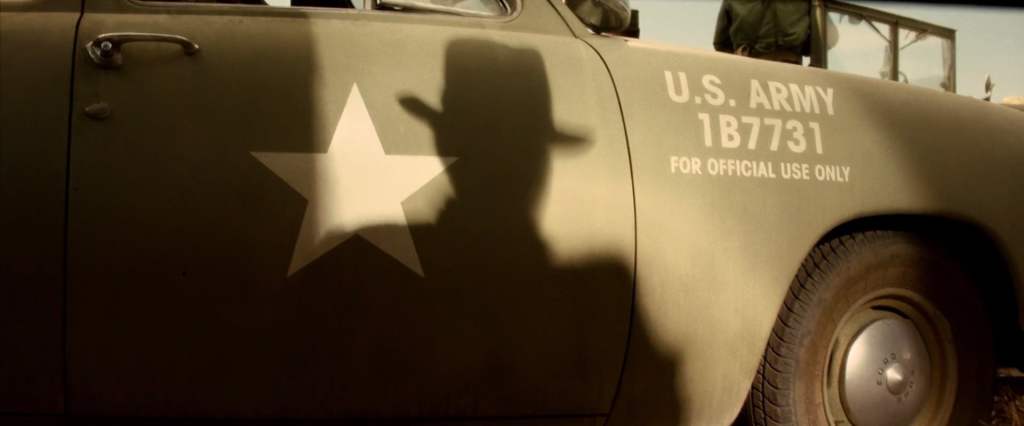
“You want to be a good archaeologist… you’ve got to get out of the library!”
Directed by Steven Spielberg
Produced by Frank Marshall
Written by David Koepp
Story by George Lucas, Jeff Nathanson
Release Date: May 22, 2008
Running Time: 122 Minutes
THE COLD OPEN
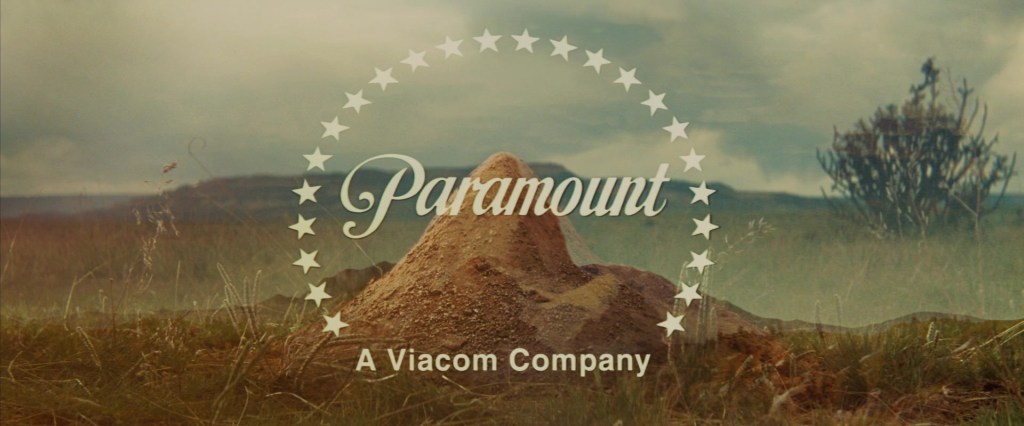
As the Paramount logo dissolves into a nearly identical mound of dirt—courtesy of what appear to be groundhogs—Indy starts his day by being kidnapped by Soviets who apparently think “casual desert drag race” qualifies as subtle infiltration.
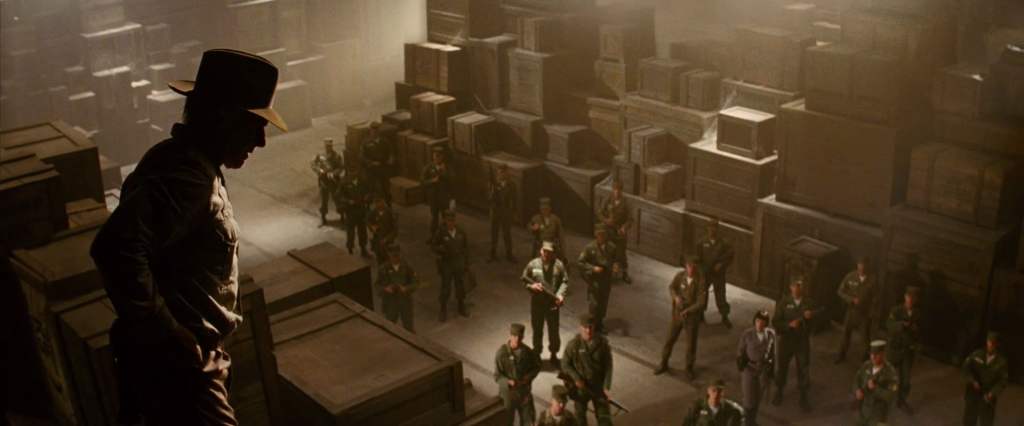
They haul him into Hangar 51, where Irina Spalko demands he locate a crate containing a Roswell-flavored corpse. Mac betrays him with the enthusiasm of a man who’s been waiting years to say, “Sorry, Jonesy,” and Indy responds by doing what he does best: improvising an escape using physics, luck, and whatever happens to be lying around on the nearest crate.
He eventually tumbles into a picture-perfect 1950s suburb that turns out to be a nuclear test site running on a very tight schedule. Indy survives by diving into a lead-lined fridge, which is then punted across Nevada by the atomic blast. When he crawls out—dazed, dusty, and probably vibrating at a brand-new frequency—the feds immediately detain him, because apparently nothing says “national security threat” like a man who just rode a refrigerator through Armageddon.
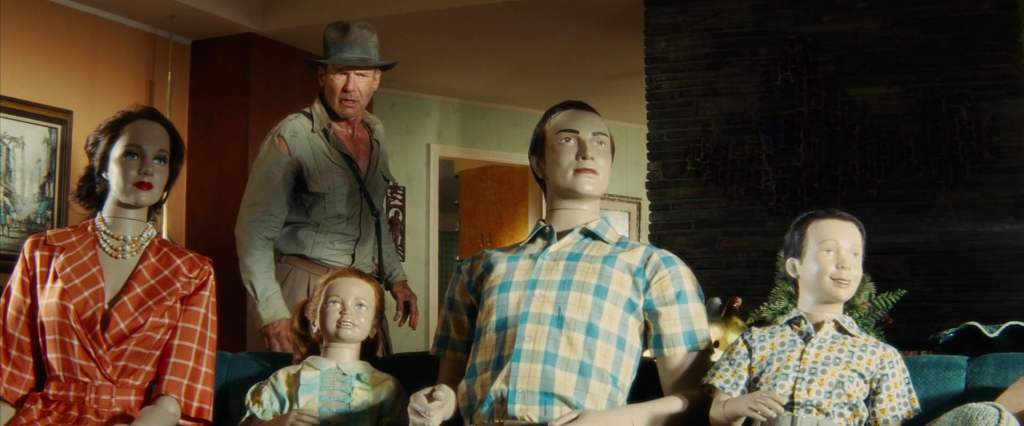
When it comes to cold opens, this might be the weakest of the series—a phrase you may get tired of reading before this post is over. Not because what we’ve just seen is bad. Far from it. The problem is that this isn’t really an Indiana Jones cold open in the way the original trilogy understood them. Those openings were self-contained mini-adventures: their own little serial chapters that could almost stand alone.
This? This is just the first twenty-two minutes of the movie dressed up to feel like one. It’s all setup, no payoff. And if memory serves, Indy’s final outing might fall into this same trap.
That said, there’s still a lot here that works. As an opening to a story about an older, slower Indiana Jones, it’s actually doing a lot of heavy lifting. His reintroduction—fedora first, shadow stretched across the car—is classic Spielberg mythmaking. There’s Indy misjudging a swing and smashing through a windshield, a subtle reminder that mileage matters now. There are direct callbacks to Raiders, including the Ark itself briefly exposed when a crate cracks open. The movie knows exactly what legacy it’s playing with, even if it doesn’t always know what to do with it.
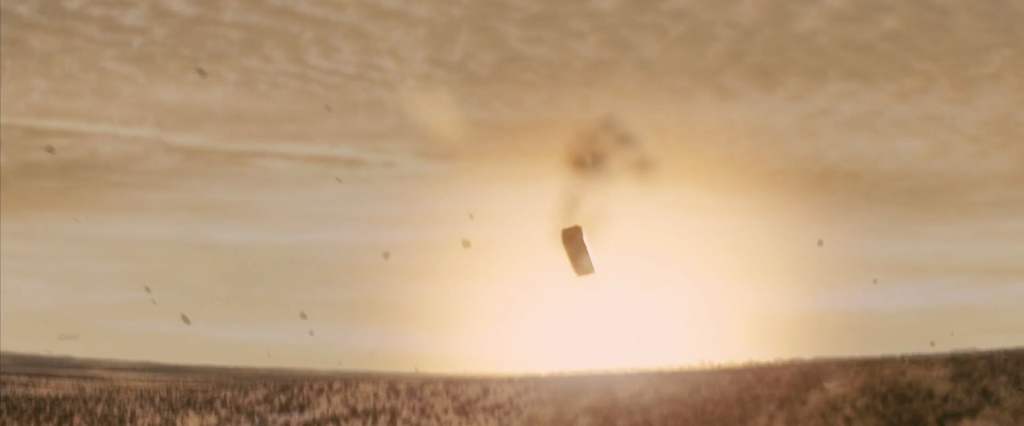
And for anyone still hung up on the lead-lined refrigerator escape: yes, it’s ridiculous. But it’s no more ridiculous than surviving a plane crash by jumping out in a rubber raft, bouncing down a mountain, flying off a cliff, and only then landing in the body of water the raft was actually meant for. Indiana Jones has always operated on pulp logic. Crystal Skull just happened to do it in the atomic age.
But I think I’ve said enough here. Let’s move on before I start pulling at the seams and the whole thing comes apart.
THE STORY
It had literally been nineteen years—for the audience as well—since Indiana Jones last rode off into the sunset, and the world he returns to hardly resembles the one he left behind. The year is 1957, and America is waist-deep in Cold War paranoia, communist witch hunts, and atomic-age anxiety. The Nazis are gone, but fear hasn’t gone anywhere—it’s just changed shape. Now it lives in mushroom clouds, government surveillance (FBI, CIA, KGB… pick your acronym), and whispered conversations about flying saucers out in the desert.
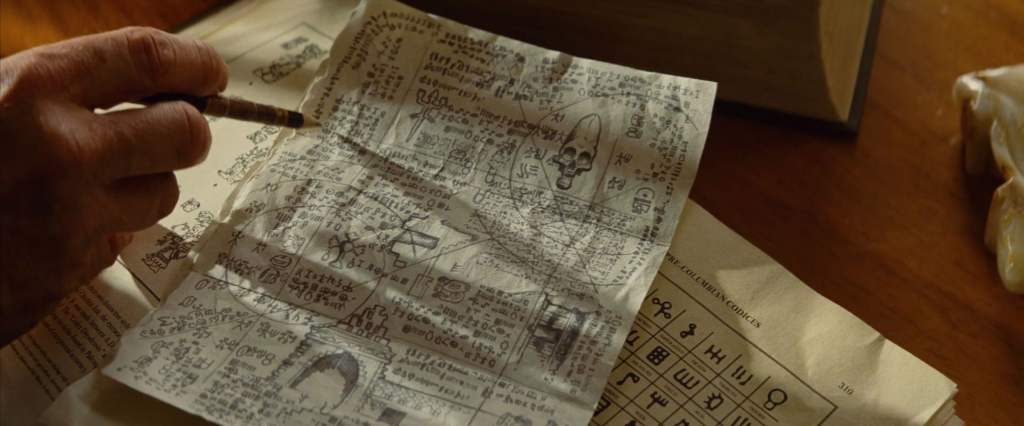
And that shift matters, because Indiana Jones and the Kingdom of the Crystal Skull—which is quite the mouthful for a movie title—is the first Indiana Jones movie that fully ditches biblical mysticism for full-blown 1950s sci-fi weirdness. No Ark. No Grail. No ancient stones pulled from religious folklore.
This time the MacGuffin is a crystal skull tied to inter-dimensional beings, psychic experiments, and enough Cold War paranoia to make everyone in the room sweat through their clothes. Indy gets pulled into a race against the Soviets to recover it, teaming up with a greaser named Mutt Williams along the way, and for the first time in the series the goal isn’t really about obtaining the artifact—it’s about getting it back where it belongs before everyone chasing it loses their mind trying to understand it.
THE VILLAINS
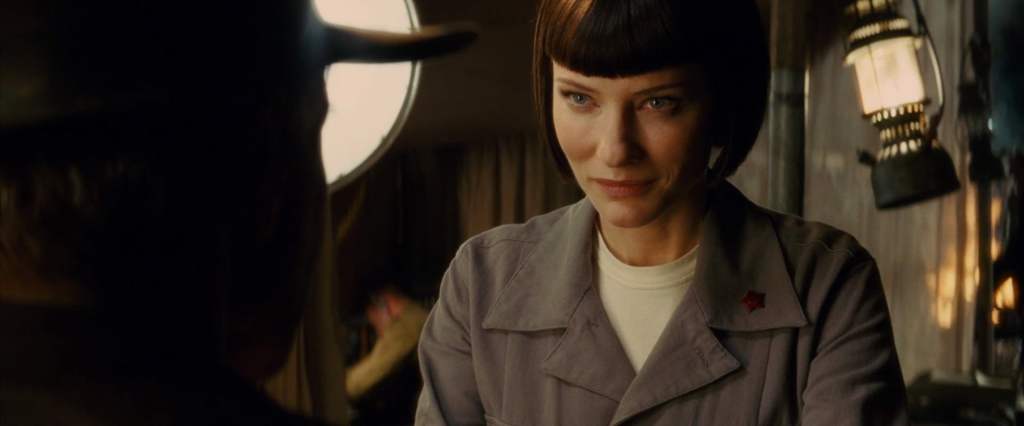
Irina Spalko is played by Cate Blanchett, and somehow the performance lands so flat I’m pretty sure I saw at least three tumbleweeds roll by during my last watch. Which is honestly surprising, because Blanchett is one of those actors who can usually elevate almost anything. Maybe they should’ve recast her a few weeks in. Or maybe George Lucas was handling her direction while Spielberg was off framing reaction shots somewhere, because there’s only so many times you can hear “faster and more intense” before you stop acting altogether and just start eyeing craft services, wondering if today’s spread has anything better than seaweed lozenges.
Then there’s Dovchenko, played by Igor Jijikine, who’s supposed to be the heavy. I have no idea what he looked like on the page, mostly because I have no desire to punish myself by hunting down and reading the final draft of Crystal Skull, but either a lot got left behind in rewrites or Jijikine simply didn’t have much to work with. Either way, Dovchenko feels less like a genuine threat and more like a glorified extra who somehow wandered into the wrong movie and got carried off by a swarm of what I can only assume were weaponized atomic ants.
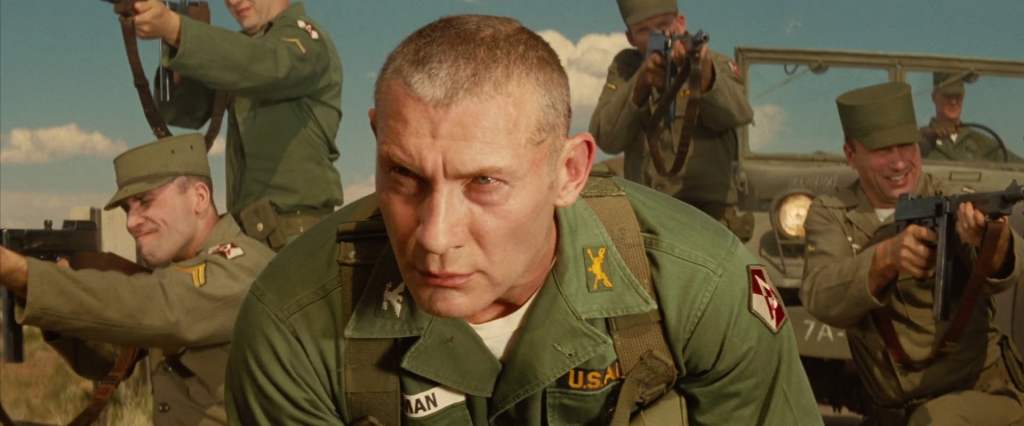
Maybe that’s the bigger problem: the villains in Crystal Skull are the weakest collection of antagonists in the entire series. Spalko should at least work on paper—Cold War psychic warfare, Soviet obsession, and a villain chasing knowledge as a means to power. Hell, she even gets lines like “We’ll be everywhere at once, more powerful than a whisper,” which sounds like the foundation for a genuinely unnerving villain. But none of it ever quite clicks. Maybe if they’d spent more time writing a few additional drafts instead of burning through preproduction just to start shooting this thing, they might’ve figured out how to make these villains more interesting.
THE SIDEKICKS
Strangely enough, this movie actually gives Indy two sidekicks. The first is George “Mac” McHale, played adequately enough by Ray Winstone, who turns out to be a traitor… then isn’t… then is again. It’s enough to make you wonder if the movie itself forgot what it wanted to do with him from one scene to the next. And honestly? We didn’t need Mac.
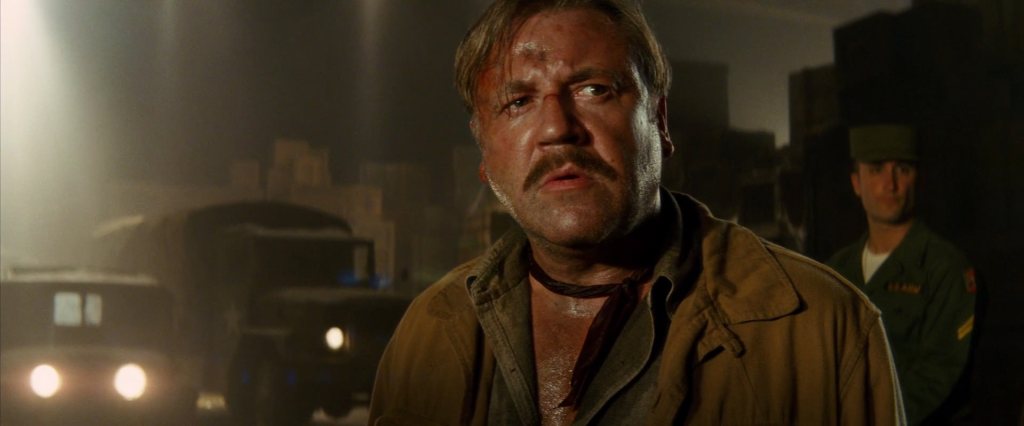
Indy’s moral compass has been doing just fine for the last nineteen years without an old war buddy—someone he’s apparently spent years drinking with, swapping stories with, and surviving God-knows-what with—popping up every ten minutes to remind him he made the right calls. In a lot of ways, Mac feels like a direct reflection of the life Indy’s been living while we weren’t looking: older, rougher, and a little less trustworthy, but that’s not really the case. About the only useful thing Mac contributes happens in the cold open, where he already knows Jones is not a man you play chicken with.
After that, Mac mostly exists to metaphorically stab Indy in the back, disappear for a while, come back somehow even douchier than before, and call him “Jonesy” about three times more than any human being should legally be allowed. Then, during the jungle chase, we’re suddenly supposed to buy into the idea that maybe he’s changed—except of course he hasn’t, because the movie still needs him to drop a locator beacon in the finale like some kind of bargain-bin Judas.
And when Indy tries to save him at the end, because apparently shared history still counts for something, Mac just shrugs and accepts his fate. Which might’ve worked if the movie had earned it. Instead, it undercuts what should’ve been a more meaningful death scene and leaves him feeling exactly the way he spent the whole movie: pointless.
Thankfully, the actual sidekick worth talking about here is Mutt Williams. But first, I need to get something off my chest: I did not care for Shia LaBeouf in this role. At least not at first.
I’ve seen Crystal Skull a total of four times now (the last two were back-to-back), with roughly ten years passing between each viewing. Back in 2008, I think I was mostly indifferent. When I revisited it in 2017, my notes at the time read: “I love these characters so much that it’s very difficult to have a premeditated hatred towards this film… however, seeing Shia LaBeouf makes it a bit easier.” Harsh, but apparently that’s where I was.
Now it’s 2026, and I don’t hate him anymore. Not Shia, not the performance, and not even Mutt Williams. I know. Growth.
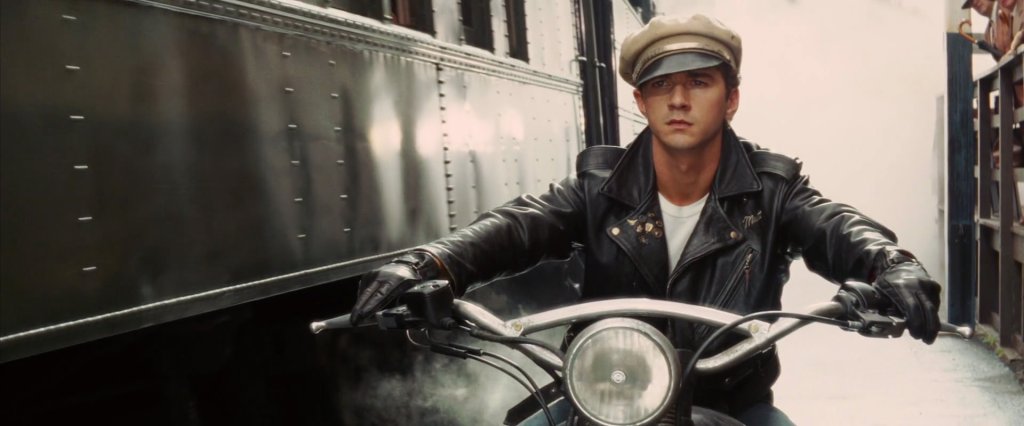
And the truth is, Mutt was designed to work against Indy. To boil down a quote from George Lucas, Mutt needed to be everything a father couldn’t stand. So they modeled him after Marlon Brando in The Wild One—a leather-jacketed greaser with a chip on his shoulder and authority issues for days. If you don’t know what a greaser is, hang tight. I’ve got another word coming up later that’ll send you down a much deeper rabbit hole.
And once you understand that, you can see why he’s constantly at odds with a supposedly distinguished archaeology professor at Marshall College. But eighteen years removed from this movie’s release, looking at Mutt now—and at LaBeouf’s performance—he’s basically Indiana Jones without the refinement, or the benefit of finishing the formal education. He’s younger, rougher, and wears every emotion right out in the open.
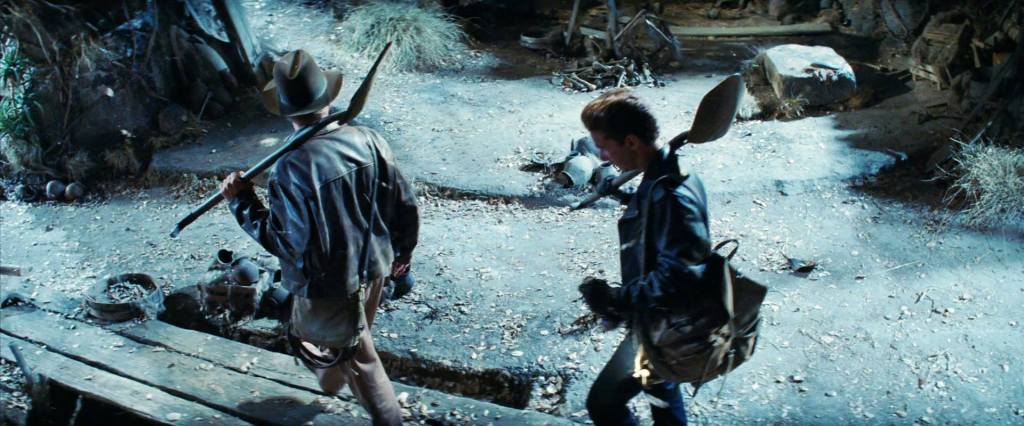
And honestly, he’s carrying a lot. He’s only nineteen. His close family friend, Harold “Ox” Oxley, has gone missing. His mother Marion went looking for Ox after the Crystal Skull scrambled his brain, only to get herself abducted by the Soviets. The connective tissue pulling all of this together is admittedly a little hazy, but this is also an Indiana Jones movie, and sometimes the plot just needs everyone standing in the same room at the same time so we know where we’re going next. It’s not the best writing I’ve ever seen, but it’s far from the worst. Remember how natural the father-daughter relationship in The Lost World: Jurassic Park felt? No? Me neither.
Let’s keep moving, people. We’ve already spent way too much time on two sidekicks no one really asked for in a fourth Indiana Jones movie, and if we linger here any longer, Mac might turn out to be a quadruple agent… if that’s even a thing.
THE LOVE INTEREST
Having Marion Ravenwood brought back into Indiana Jones’s life was one of the obvious master strokes from a script that likely only had one master stroke. Just like before, Karen Allen steps back into the role with ease, playing an older, wiser, and still equally stubborn Marion who remains every bit Indiana Jones’s equal.
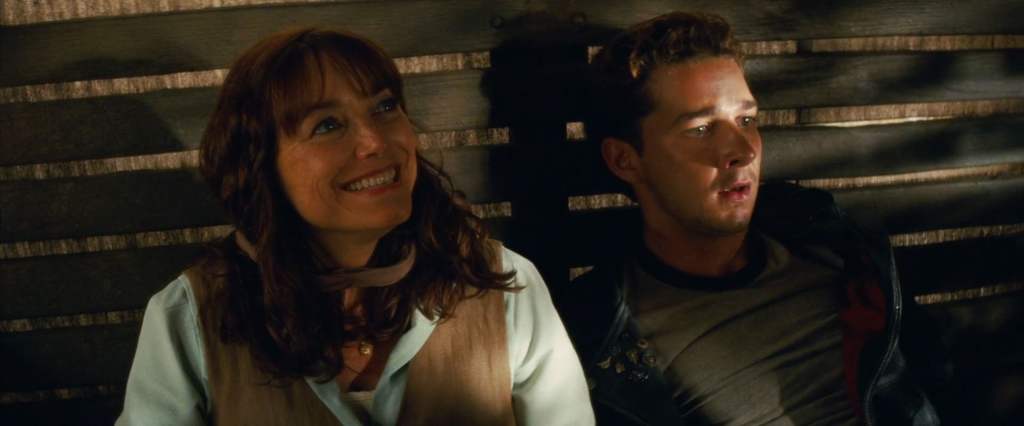
And that’s really what makes Marion work—because she’s still Marion.
I reveled in the rekindled onscreen chemistry between Harrison Ford and Allen, finally sharing the screen together again for the first time in twenty-seven years. And I’ll be the first to admit I had the dumbest grin on my face when I got to watch this exchange again:
Marion Ravenwood: I’m sure I wasn’t the only one moving on with my life, there must have been plenty of women for you over the years.
Indiana Jones: There were a few. But they all had the same problem.
Marion Ravenwood: Oh yeah, what’s that?
Indiana Jones: They weren’t you, honey.
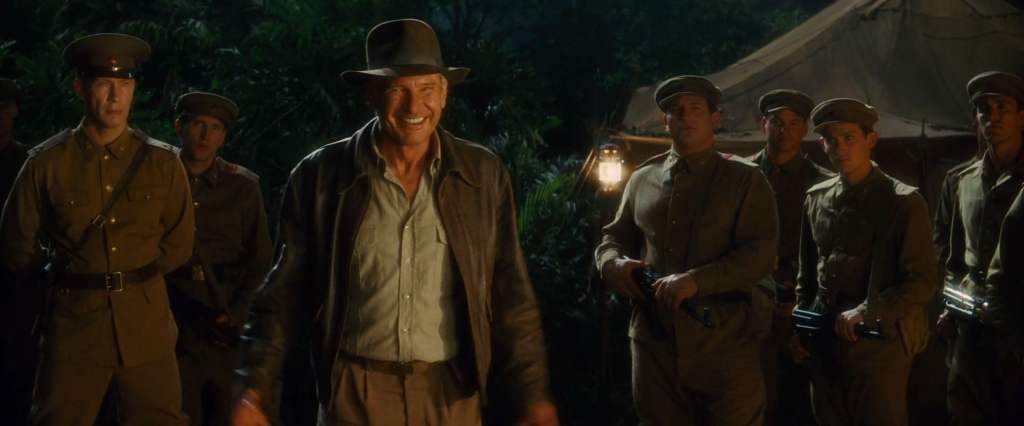
Once that cat’s out of the bag, it becomes very hard to hate this movie—even if that moment happens right before the absolutely absurd jungle chase sequence that somehow tries to outdo every action set piece from the previous three films. But I’m getting ahead of myself. That’s not what we talk about here.
And maybe that’s why Marion still works so well in Crystal Skull. She isn’t just a callback to Raiders or a convenient way to tie Mutt into Indy’s life. She’s the living reminder of the life Indy never stopped running from—the woman, the son, and the lost years in between that can’t be dug up in some forgotten temple. For all of Crystal Skull’s bigger, stranger swings, bringing Marion back grounds the whole thing in something human. And at this point in the series, Indiana Jones needs that more than ever.
THE FEDORA REPORT
IT’S NOT THE MILEAGE, IT’S THE YEARS
One of Spielberg’s earliest ideas for Indiana Jones—back when he, George Lucas, and Lawrence Kasdan were still throwing ideas at the wall to see what would stick—was that Indy had to be relatable. He wasn’t supposed to have a backbone made of steel or skin made of Teflon. He could get hurt. He could bleed. He could lose. That vulnerability is what made him accessible. He always comes out on top, but usually only after swallowing his pride without losing his nerve.
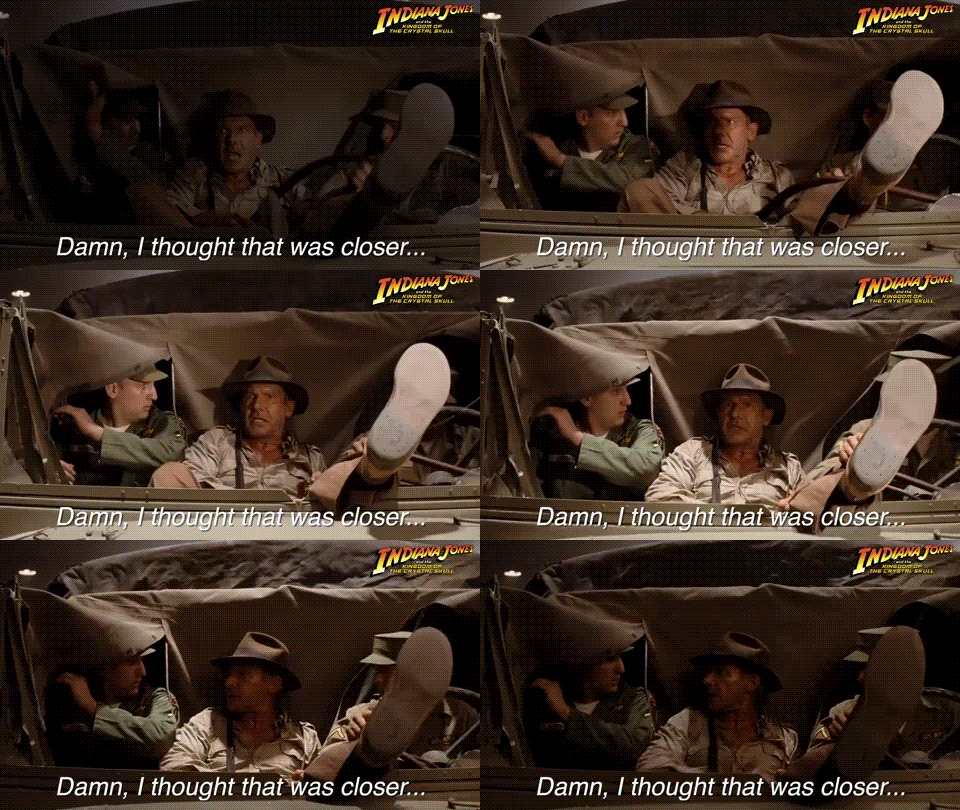
So it only makes sense that as Indy aged, the movies would eventually have to show it. There’s a tipping point in life where you stop feeling immortal and start realizing your body has other plans. One day you wake up, roll out of bed, tweak your back, and suddenly your whole day is shot. I speak from experience here.
At some point, it stops being about the mileage. It’s just the years.
THE BLIND SPOT
While everyone sitting in the theater back in 2008 probably figured out within two minutes of Mutt Williams showing up that he was Indy’s kid, it’s amusing that the possibility never even crosses Indy’s mind. Even after Mutt drops his mother’s name and Indy responds with, “There’ve been a lot of Marys, kid,” it never occurs to him that maybe—just maybe—Mary might be short for Marion.
And look, maybe you can’t blame him.
This is still the same man who’s spent most of his life in the field deciphering dead languages, solving ancient riddles, and surviving elaborate death traps designed specifically to keep people like him out. He can spot patterns buried in thousand-year-old ruins, but he can’t connect the dots sitting right in front of him.
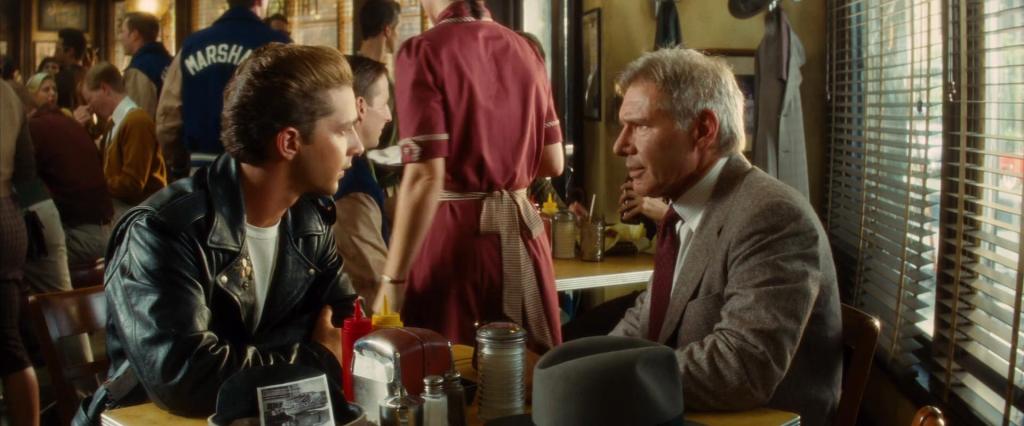
Then again, Indy’s reputation does precede him. Mutt still calls him a grave robber, and we all know there’ve been more than a few “misunderstandings” with women scattered throughout his travels. So maybe when you’ve left that many loose ends behind, hearing the name Mary doesn’t exactly narrow the field.
For a man who’s made a career out of finding what’s hidden, it’s funny that he almost missed the one thing staring him right in the face.
SPIELBERG’S FINGERPRINTS
REFLECTIONS
In the span of about seven seconds, Spielberg gives us three different reflections. The first bounces off a chrome hubcap polished so perfectly that if it were any more reflective, it’d be transparent. The second is a clever two-in-one: first catching the driver of the army sedan in the side mirror, then shifting inward to show us exactly what he sees—the hot rod barreling toward him.
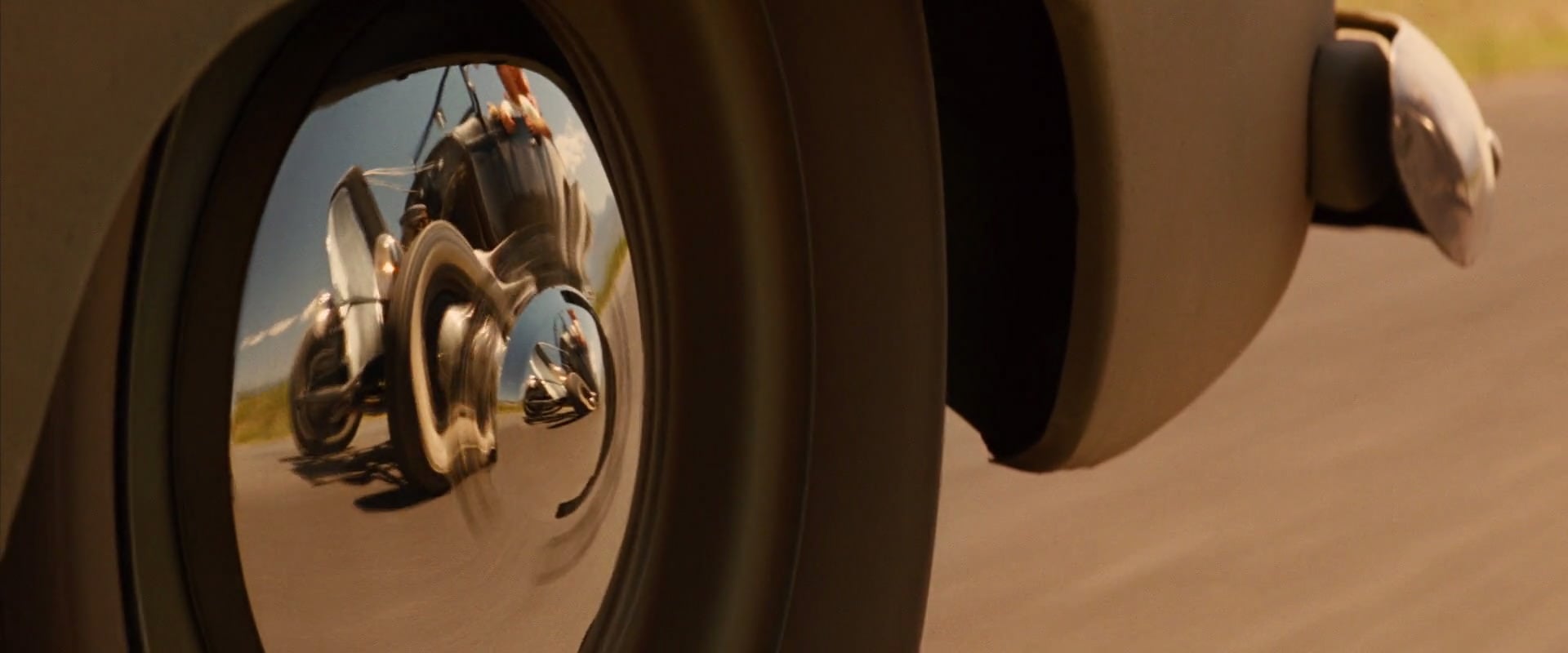
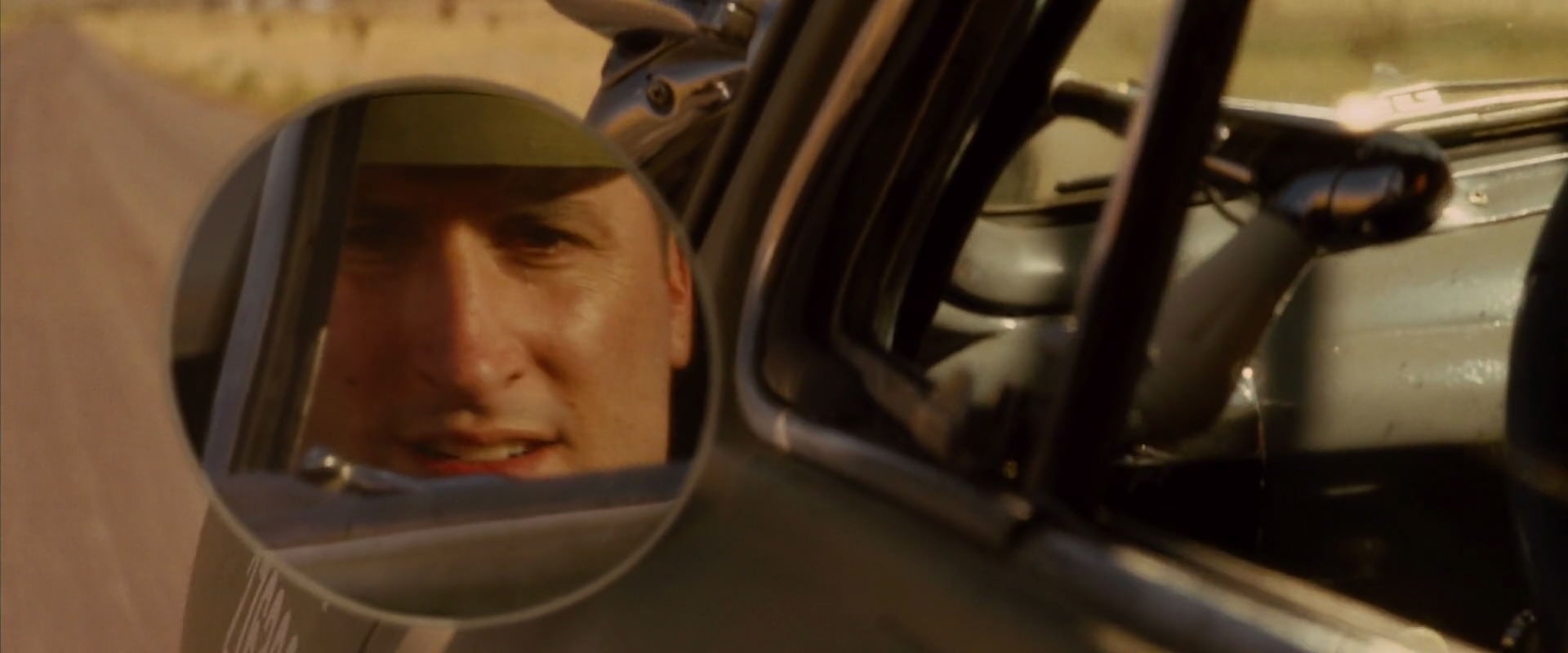
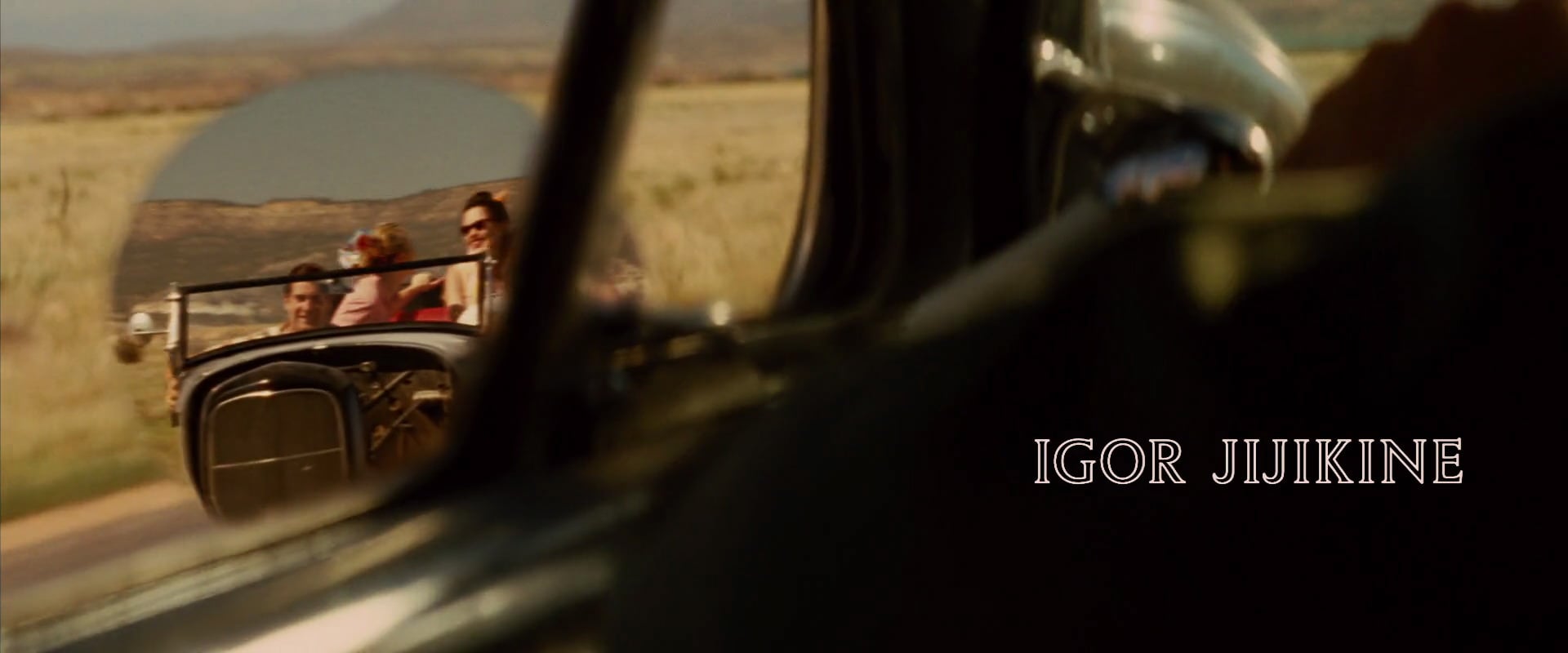
It’s simple, elegant visual storytelling. No wasted movement. Just Spielberg and Janusz Kamiński casually flexing, reminding you how much information can be delivered through nothing more than glass, chrome, and a moving camera.
THE SILHOUETTE SHOT
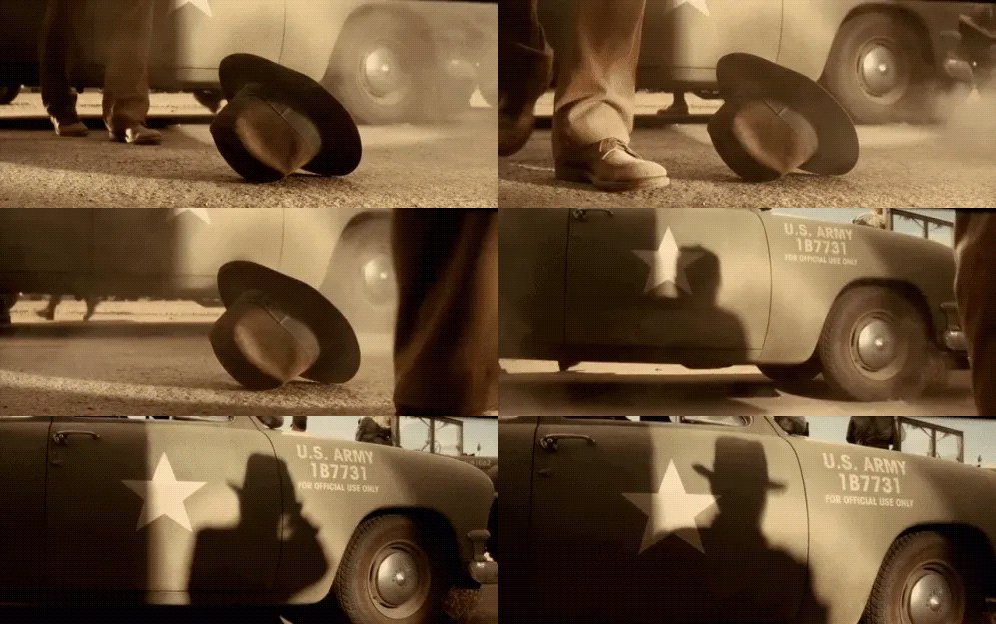
Known for his use of back-lighting and rim-lighting, Spielberg slips in a classic silhouette shot early on, using the shadow cast against the car door to highlight Indiana Jones’s most iconic trademark: the fedora. It’s a simple but effective piece of visual mythmaking—the perfect way to reintroduce a character who had been gone for nearly twenty years, reminding us that before Indy even steps fully into frame, we already know exactly who he is.
THE TECHNICALS
BEST QUOTE
My buddy Travis can probably quote all three films from the original trilogy front to back, and I’d like to think I’m not too far behind him—at least with Raiders and Last Crusade. Temple of Doom is another matter altogether.
Crystal Skull isn’t nearly as finely tuned. The subtleties and subtext that usually enrich these conversations feel a little thinner here, which made picking a Best Quote harder than I expected. But here goes:
Mutt Williams: You’re a teacher?
Indiana Jones: Part-time.
That one line pretty much cements what I wrote back in my Raiders of the Lost Ark post: Indiana Jones has always been a professor by profession, but never by nature. Teaching pays the bills. Adventure is who he actually is.
I almost went with the longer exchange between Mutt and Indy about Pancho Villa, mostly because it’s one of the rare moments where Indy opens up before either of them know the truth. In that scene, he casually admits his relationship with Henry wasn’t great, and you get the sense that his life in the field may have been less about archaeology and more about putting distance between himself and his father.
Because if there was one place Henry Jones Sr. was always going to be, it was the library.
BEST FIGHT
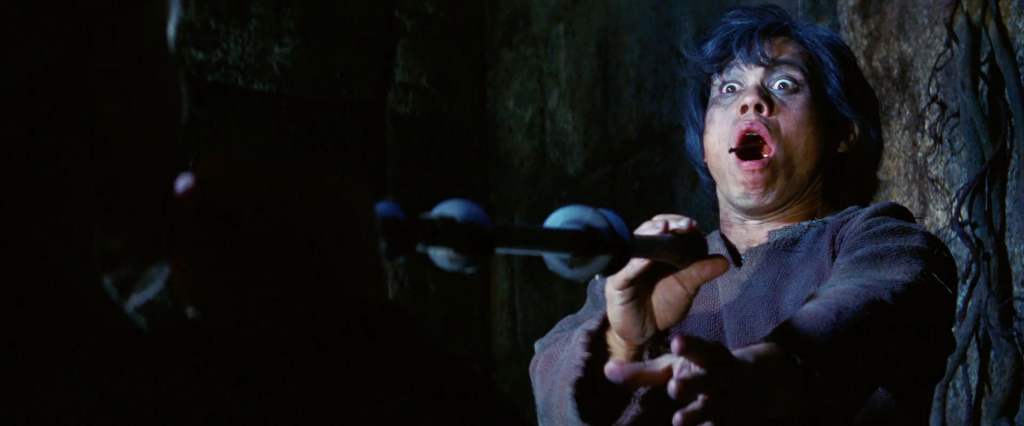
The graveyard fight, when Indy and Mutt are searching for the Crystal Skull in Peru, probably gets my vote for Best Fight for a few reasons. It makes smart use of the environment, gives both characters room to improvise even while outnumbered, and balances the danger with just enough slapstick to keep it feeling like classic Indiana Jones. More importantly, it knows when to stop. It doesn’t drag on past its welcome and ends with one of the movie’s best punchlines: “You’re a teacher?”
BEST ACTION SEQUENCE
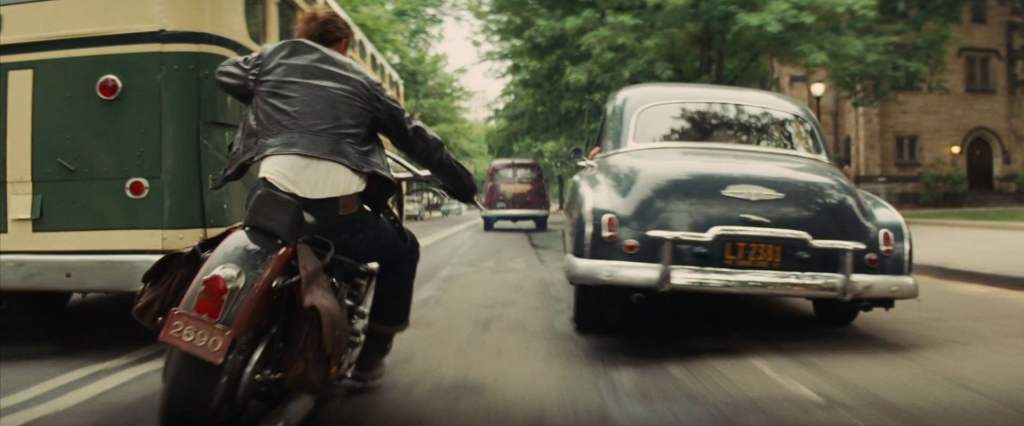
This was a harder pick than I was originally willing to admit. But if you’re going to put a gun to my head, I’d have to say it’s the motorcycle chase on and through the campus of Marshall College. It’s just long enough to be exciting without tipping over into excess, and it has some genuinely funny beats—including the moment Indy gets yanked clean off the back of Mutt’s bike, only to somehow come out the other side and hop right back on like he never left.
If you thought it was the jungle chase, you’ve either lost your sense of direction, are starting to lose your sight, or you somehow think blue-screen effects and digital monkeys count as cinema. Yes, I know the jungle chase follows the more traditional Indiana Jones formula, but sometimes less really is more.
BEST SINGLE FRAME
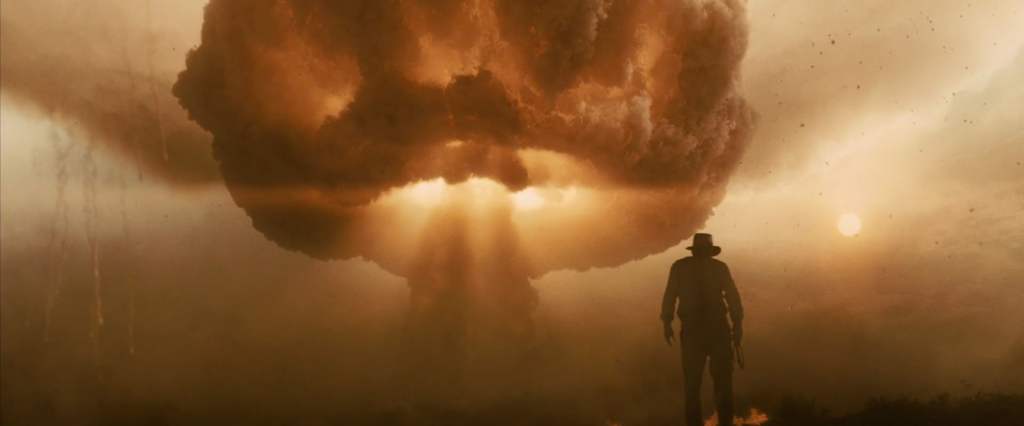
Let’s ignore for a moment that most of what we’re seeing here wasn’t actually captured in-camera on the day it was filmed. The image Spielberg, his DP Janusz Kamiński, and the effects team ultimately assembled—Indiana Jones standing in awe as a massive mushroom cloud rises in the distance—is still a pretty ingenious piece of visual storytelling. And let’s be honest: if Christopher Nolan had designed this shot, he would’ve insisted on doing it practically, shooting it in IMAX, and Harrison Ford would probably still be recovering from radiation sickness.
THE MOMENT MY WIFE FORGOT I WAS IN THE ROOM
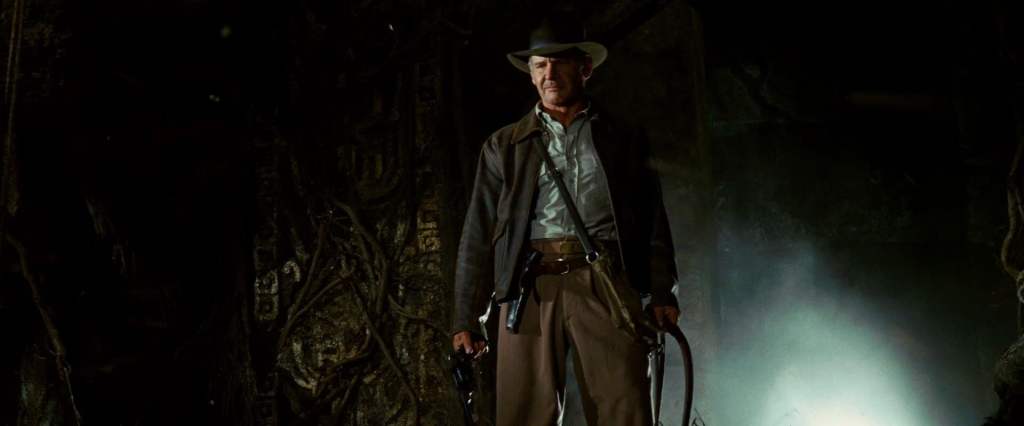
And somehow it keeps circling back to the moments just before—or just after—the delivery of that line: “Part-time.” Indy standing over Mutt, pistol drawn, flashing that charmingly disarming sly grin of his. Lisa has told me it’s hard to capture that exact look in a single frame, but when you do, apparently it’s enough to make her knees go a little weak.
THE FIELD NOTES
THE JOKE WAS THE POINT
This is a thought I first excavated back in 2017, and after revisiting Crystal Skull nearly a decade later, I still can’t shake it: the joke may have been the point all along.
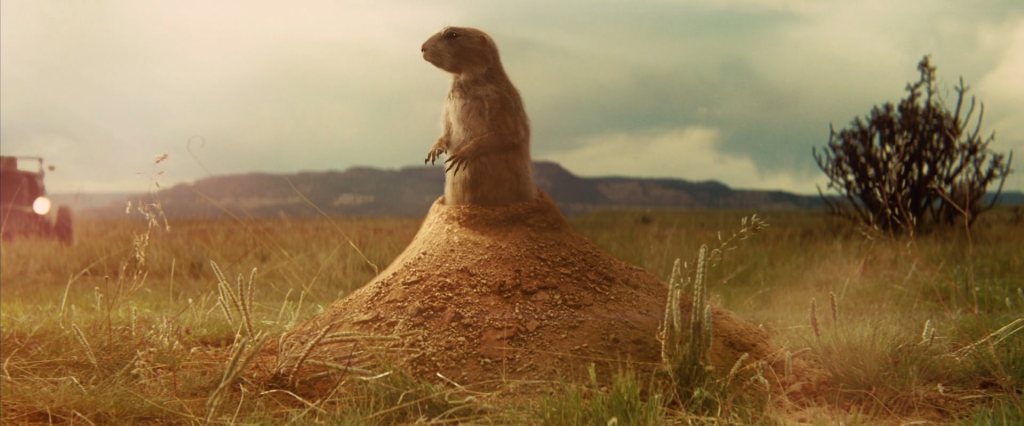
The more I sat with Crystal Skull, the more that opening Paramount transition started to feel less like a cute visual gag and more like the movie telling on itself. The logo dissolves into a mound of dirt kicked up by a groundhog, and in hindsight that feels strangely appropriate. For all of its ambition, spectacle, and occasional brilliance, Crystal Skull often plays like one long punchline. Not always a bad one—but a punchline all the same.
It’s almost like Spielberg was warning us from the very beginning not to make a mountain out of a molehill.
PRESS X TO WHIP SWING
This is another thought I first dug up back in 2017: Crystal Skull often feels less like a movie and more like an expanded story treatment for a Lucasfilm PlayStation game. And I don’t necessarily mean that as an insult.
When you’re playing a game like that, you expect the dialogue to be clunky, the action sequences to be stacked on top of each other, and the plot to mostly exist as connective tissue between set pieces. You overlook it because you’re playing as Indiana Jones. That’s kind of what Crystal Skull feels like.
The structure is basically level-based. Escape the warehouse. Chase through campus. Solve the tomb. Survive the jungle. Fight the ants. Ride the waterfalls. Reach the final boss. And if you squint hard enough, you can practically see the checkpoint system.
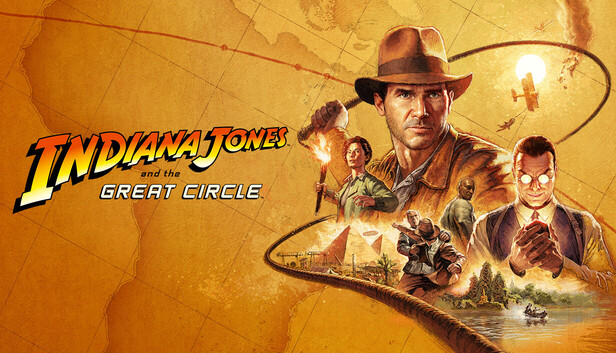
What makes this note even funnier in hindsight is that I wrote it seven years before Indiana Jones and the Great Circle was eventually released—a game I still haven’t played because it’s not on PlayStation 4. Which is fitting, because not only do I not own the newest system, but even if I did, it still wouldn’t matter. It’s an Xbox game. Some adventures—at least for me, apparently—are still out of reach.
THE CANDY STORE WAS THEIRS THIS TIME
This was another note I scribbled down back in 2017, and it still feels sort of true now: watching Crystal Skull is like watching a kid loose in a candy store—except this time the candy store belongs to his parents. And that changes everything.
Back when Spielberg and Lucas made Raiders, they were playing in someone else’s candy store. They had to earn it. Even if it was Lucas’s money helping finance the picture, they still had to prove they could pull off this throwback serial adventure and make it feel dangerous, exciting, and fresh. There were rules, expectations, and probably a few nervous studio executives standing by the front door.
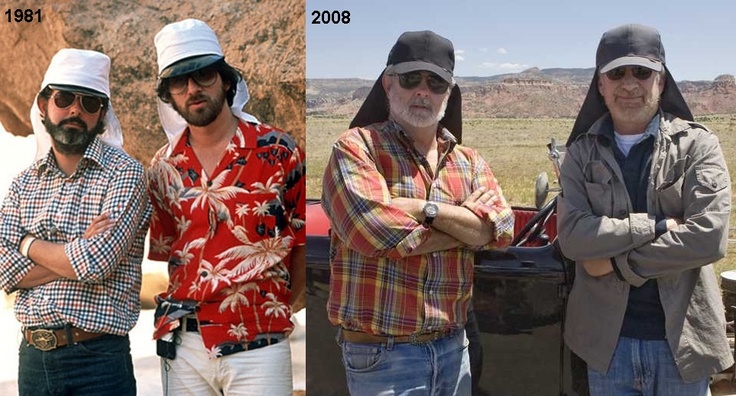
By the time Crystal Skull rolled around, the store was theirs. The rules were gone. The pressure was gone. The danger of getting in trouble was gone. And while that kind of freedom should’ve opened the door for something bold, it mostly just feels safe—like two old friends revisiting the toys they used to love, only now no one’s around to tell them when they’ve gone too far.
But what do I know? Maybe I’m just bitter because I still miss practical effects and matte paintings. Crystal Skull was the second-highest-grossing film of 2008, only trailing The Dark Knight. So maybe Spielberg and Lucas knew exactly what they were doing.
Or maybe we all just wanted one more ride badly enough not to notice the cracks until later. Yeah, I’m going with this one.
MUTT WILLIAMS AND THE ROAD DEVILS
Almost every Field Note entry I’ve written in this series has eventually led me to wonder whether some supporting character got to keep living in another corner of pulp storytelling, and Crystal Skull is no different.
Before I even started this rewatch, I found myself wondering what Mutt Williams was up to before Ox disappeared and Marion went chasing after him in South America. What was he doing between dropping out of prep schools, ditching fencing lessons, and rebelling against whatever version of structure Marion was trying to impose on him at the time?
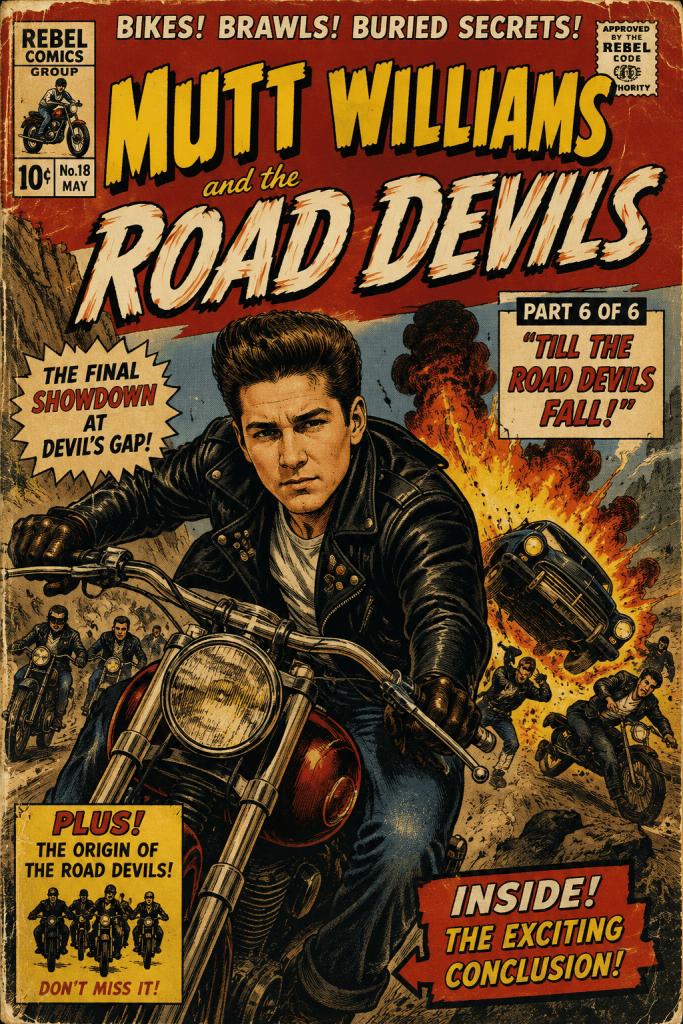
My guess? Starring in his own comic book—something any self-respecting ten-year-old could’ve grabbed off the rack down at the neighborhood pharmacy. Riding around with his motorcycle gang, the Road Devils, alongside a pack of fellow prep-school dropouts who figured becoming greasers was a better use of their time than growing up to be like their fathers.
And let’s be honest, in the 1950s, the last thing any self-respecting greaser wanted was to end up looking like one of the socs. (And if you don’t know what that word means—or how to pronounce it—you already know what I’m going to say: consider it your next side quest.)
Somewhere along the way, I may have put more thought into Mutt Williams and his imaginary comic book career than the movie itself did. Yeah, that’s what I thought. I’ll see myself out.
THE ARTIFACT ROOM
This Artifact Room is a little more crowded than usual, mostly because I didn’t realize just how much strange and fascinating trivia was buried behind the making of Crystal Skull. I may be overselling that a bit, but whether by accident or on purpose, I’ve managed to excavate what I think is the cream of the crop here for you—assuming, of course, you haven’t already fallen down these rabbit holes yourself.
Then again, we all have the internet now. Some of you probably knew half of this before I did.
WILLIE GOT THE LAST LAUGH
In an unproduced draft of Indiana Jones and the Kingdom of the Crystal Skull, Indy was supposed to casually reveal what became of Willie Scott by saying, “Last I heard, she married a big-shot director.” That joke, of course, was aimed directly at Kate Capshaw, who ended up marrying Steven Spielberg in real life. The line never made it into the final cut, but honestly? Willie might’ve ended up with the best fate of anyone Indy ever dragged into one of these adventures.
LEARNING TO SEE LIKE SLOCOMBE
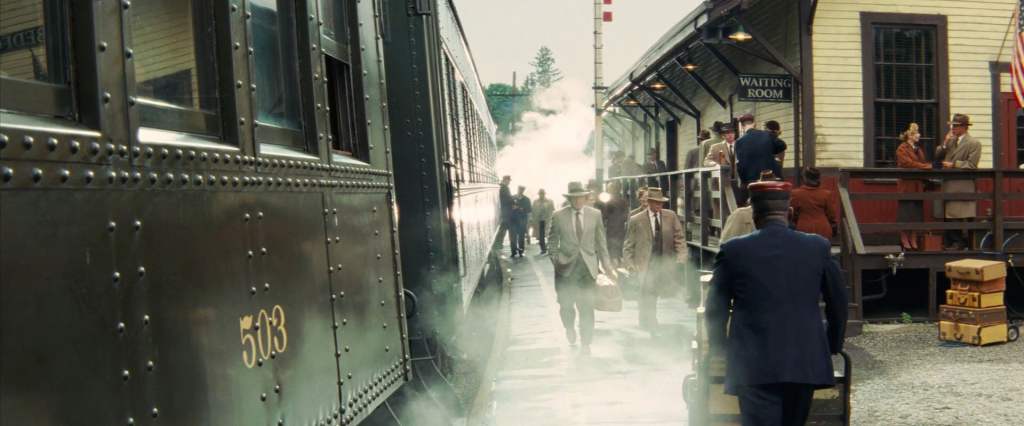
With longtime Indiana Jones cinematographer Douglas Slocombe now retired, Spielberg handed the camera over to his modern-day right-hand man, Janusz Kamiński, who had shot every one of his films since Schindler’s List. But here’s the interesting part: Spielberg didn’t want Crystal Skull to look modern. He wanted it to feel like the old comic-book serial style the original trilogy had lived and breathed in.
So Kamiński basically had homework.
He went back and studied all three of the previous films, breaking down Slocombe’s lighting, framing, and overall visual language just to replicate that look. And according to Spielberg, both of them had to swallow a little pride in the process—Janusz had to learn another cinematographer’s style, while Spielberg admitted he had to re-embrace the younger filmmaker’s visual energy he’d spent nearly twenty years moving away from.
That’s the kind of behind-the-scenes stuff I love, because it explains why Crystal Skull still feels like an Indiana Jones movie even when everything else around it feels… a little bit different.
IT WAS ALWAYS SUPPOSED TO BE FIVE
When people started asking whether Harrison Ford was too old to put the fedora back on, producer Frank Marshall gave the most Indiana Jones answer possible by quoting Raiders: “It’s not the years, it’s the mileage.”
And honestly, he wasn’t wrong.
What’s easy to forget now is that back in the 1980s, Indiana Jones was never meant to stop at three films. The original plan was always five. Five adventures. Five chapters. A full saga. Ford knew that, too, which is partly why he kept himself in shape all those years, holding onto the hope that one day they’d finish what they originally started.
That’s part of what makes Crystal Skull so strange. It isn’t some late-stage reboot or studio resurrection. In a weird way, it’s a delayed obligation—a movie that probably should’ve existed twenty years earlier but got buried under time, changing priorities, and Harrison Ford’s ever-increasing mileage… or years, depending on how you look at it.
What makes it even stranger is that by putting the franchise on ice for nearly two decades, the series had to shift its entire worldview. If the Nazis were no longer going to be the enemy, something else had to take precedence. And that does make you wonder: if the series had stayed rooted in the 1930s, would we have gotten another prequel instead? And if so, who else would’ve been gunning for Dr. Jones?
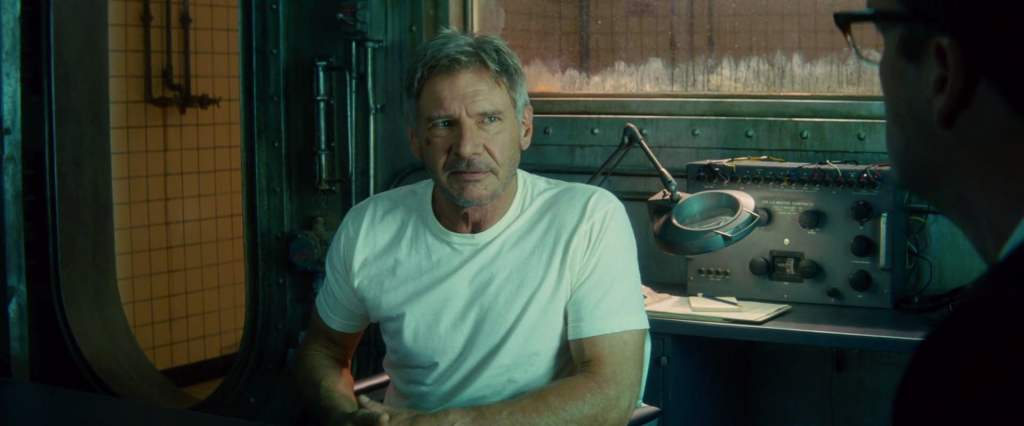
And if you’re wondering whether Ford still took it seriously, the man was in the gym three hours a day, living off fish and vegetables, and doing most of his own stunts. At his age, that feels less like dedication and more like a cry for help. Or maybe that’s exactly why we like him so much.
HARD HANDS
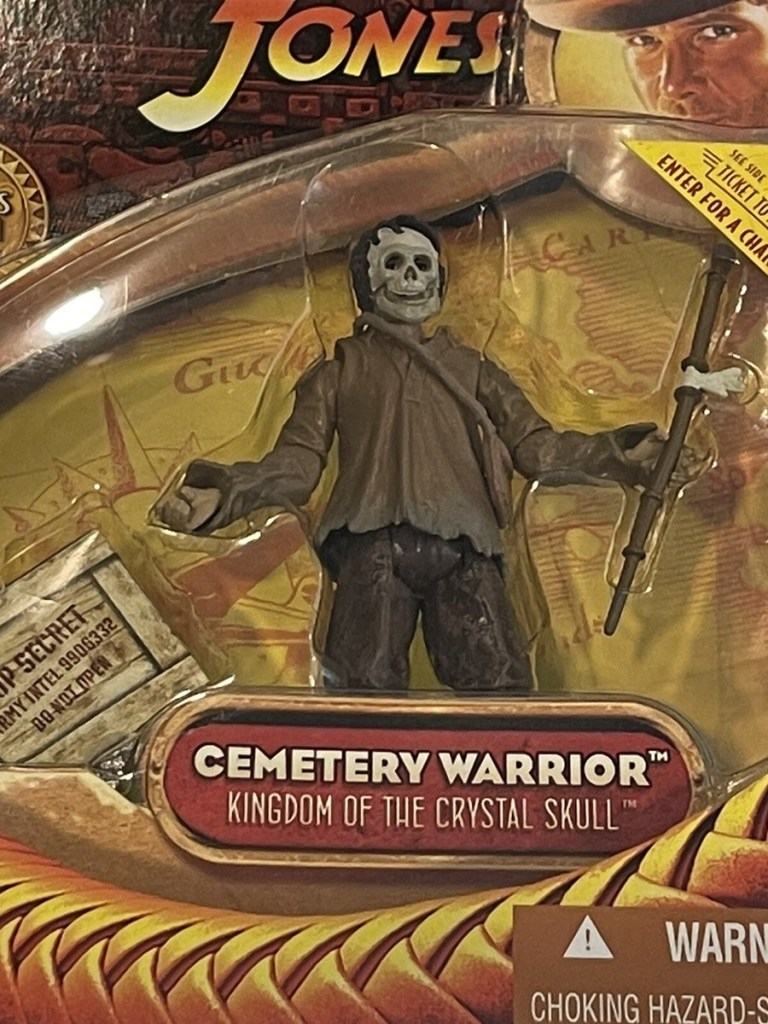
The so-called “Kung Fu Aztecs” who jump Indy and Mutt in the graveyard might seem like one of Crystal Skull’s many “sure, why not?” creative choices, but they’re actually not as historically off-base as you might think. Long before the Spanish ever showed up in Peru, the Incans practiced a martial art known as Rumi Maki—which roughly translates to “hard hands.”
So for once, the movie’s random weirdness has at least one foot planted in actual history. The other foot, of course, is usually dangling off the edge of a cliff or getting dragged away by giant ants.
DON’T SELL THE CAR WHILE YOU’RE DRIVING IT
During the press junket for Indiana Jones and the Kingdom of the Crystal Skull, Steven Spielberg reportedly had to tell Shia LaBeouf not to pick his nose in public, which somehow wasn’t even the most awkward part of promoting this movie.
After release, LaBeouf openly criticized both his performance and the film itself, famously calling out the monkey-swinging sequence and admitting he felt like he “dropped the ball.” In hindsight, he may have been partially right, but that kind of public honesty didn’t sit well with Spielberg, who reminded him there’s a time to have opinions and a time to “sell cars.” Harrison Ford was even less diplomatic, calling him a “f***ing idiot.”
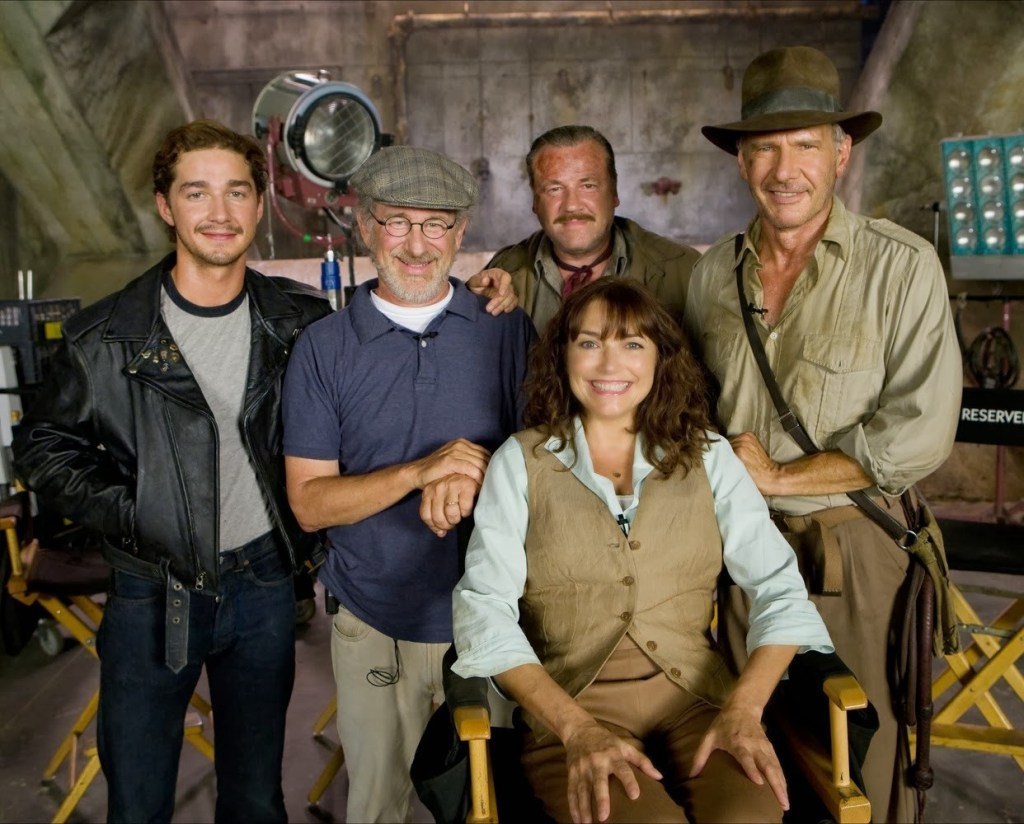
Not to spoil anything for you—but if you’re reading these, you’ve probably already seen all the movies—but by the time Indiana Jones and the Dial of Destiny rolled around, Mutt Williams had died serving in Vietnam. Funny how life imitates art: Shia talked himself out of the franchise, and eventually the franchise returned the favor.
Alright, that’s enough. I’ve already said far more about Crystal Skull than I ever intended to, so it’s probably time to wrap this thing up.
CLOSING THE JOURNAL
I’ll be honest: I did not hate this movie on this rewatch. In fact, I enjoyed it a hell of a lot more than I expected to. Which is saying something, because for the last few weeks leading up to finally sitting down with it, my internal monologue was basically: Okay, it’s time to queue this up on Disney+ or pull the Blu-ray off the shelf and just get this bitch over with.
Indiana Jones and the Kingdom of the Crystal Skull has this weird effect on me where it somehow gets worse in my head the longer I stay away from it. And yet, every time I revisit it, it never feels nearly as bad as I remembered.
And yet… I laughed at the funny moments. I savored the callbacks. I appreciated the ways Mutt and Indy occasionally mirror the same father-and-son dysfunction Indy once had with Henry. And not to repeat myself from earlier when talking about Marion, but I truly reveled in the rekindled onscreen chemistry between Harrison Ford and Karen Allen, finally sharing the screen together again for the first time in twenty-seven years. There’s good stuff here. More than I was willing to give it credit for back in 2008. Maybe even back in 2017.
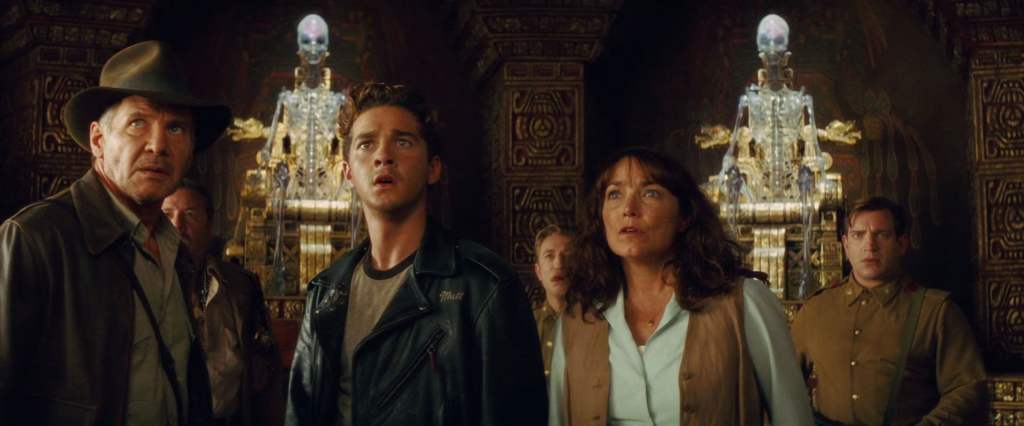
That’s the thing: Crystal Skull doesn’t fail because it’s terrible. Going into this rewatch, I was certain that was going to be my conclusion. I was ready to pin it all on the ancient aliens—or interdimensional beings, or whatever Ox insists on calling them. But this time, that plot device didn’t bother me at all. If anything, eighteen years later, I think it works better now than it did the first time I saw it.
No, the real weak link here isn’t the skull, the aliens, or the dimensional door they walk through at the end. It’s the villains. That’s where the movie comes up short.
Crystal Skull doesn’t fail because it’s terrible. It fails because it’s missing that magic touch—that hard-to-define thing the original trilogy had in abundance. The sense of danger. The unpredictability. That feeling that anything could go wrong at any moment.
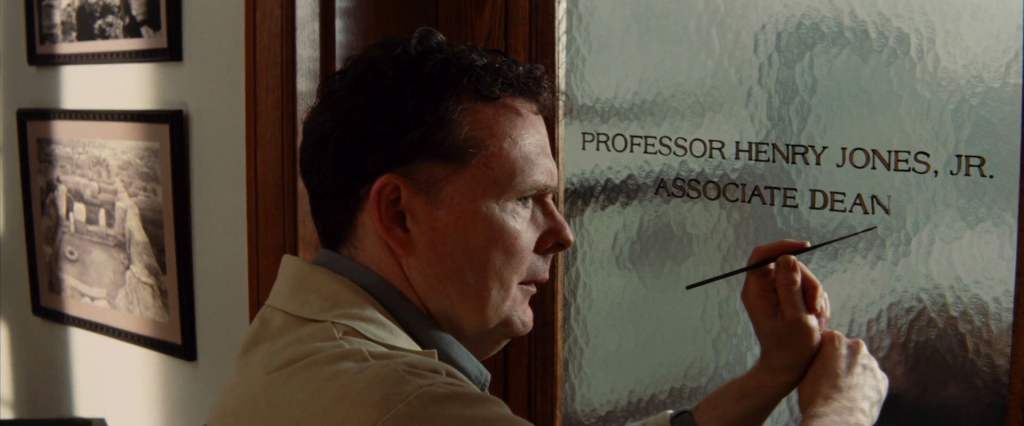
And maybe that’s the larger issue. Sometimes you don’t need to go back and continue a franchise. Revisiting it is enough. Stories don’t always need sequels. Sometimes it’s okay for things to just end. But Hollywood—and the corporate machine behind it—has never been very good at letting go of something profitable. It’s easier to mine nostalgia from an established audience than it is to risk building something new.
And the truth is, that only works because people like me keep buying the ticket.
Maybe because Harrison Ford is still Indiana Jones. Maybe because Marion came back. Maybe because I wanted to see if Spielberg and Lucas still had it. Or maybe because some part of me never really stopped wanting one more adventure, even when I knew we probably didn’t need it.
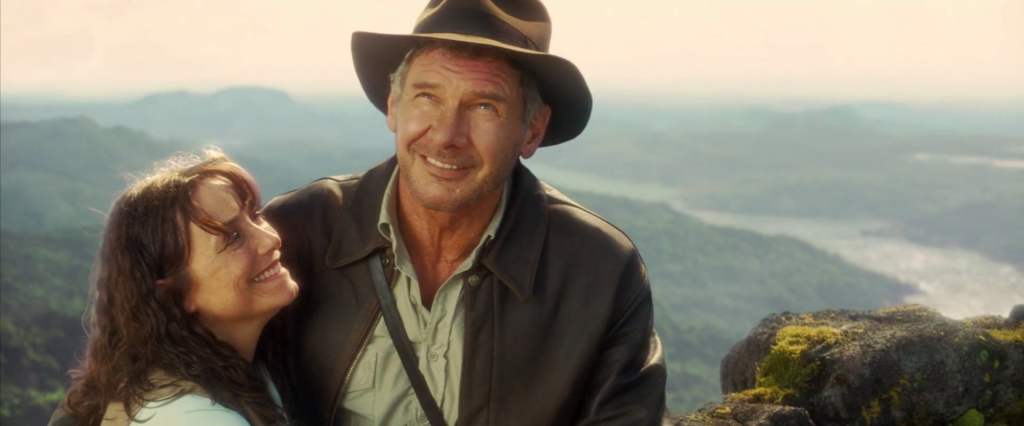
Nothing else really needed to be said about this character. His story had already ended. And yet here I am, all these years later, still trying to sort through my feelings on a movie I once thought would never happen. I got excited when it did, and I felt let down—not because the movie itself wasn’t thrilling enough, but because the emotional rollercoaster of what if leading up to it was far more complicated—and, honestly, a little more exciting—than anything the movie could ever deliver.
P.S. I was pretty sure Crystal Skull was the last bullet I had in the chamber for this series. Apparently both me and Indiana Jones were wrong. Turns out I still had a few more thoughts left, but I figured it was better to save those for the final entry.


Leave a comment